Arabic Lettering for Brand Identity

Arabic Logo Design: Calligraphy, Typography, and Bilingual Wordmarks

Arabic logo design is not one visual style. It can use handwritten classical calligraphy, custom Arabic typography, a bilingual Arabic and Latin wordmark, or an Arabic adaptation of an existing brand mark.

The right approach depends on the brand’s language, audience, cultural position, and practical applications. This guide explains the main options and the decisions that should be resolved before commissioning specialist work.

Explore Classical Arabic Calligraphy for Brands

Professional calligraphy inquiries are handled independently by Nihad Taisir Studio.

Classical Arabic Calligraphy

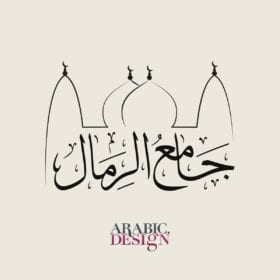
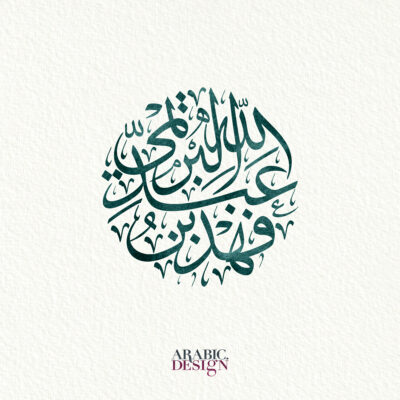
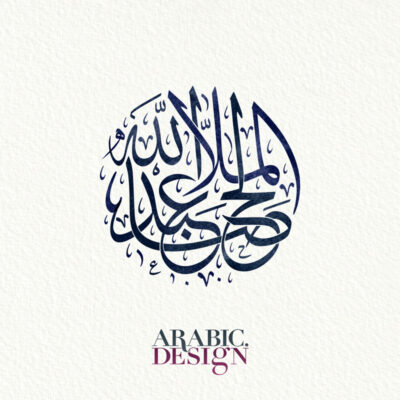
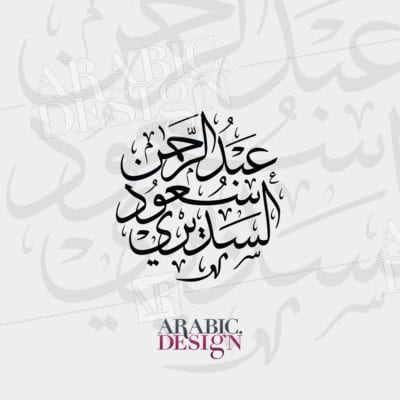
Classical calligraphy uses established scripts, proportions, and writing traditions. Styles such as Thuluth, Diwani, Diwani Jali, and Ijazah can bring authority, heritage, elegance, or ceremonial character to a name.

This approach is especially relevant to cultural institutions, hospitality, luxury products, publishers, family businesses, and brands that need a strong connection to Arabic visual heritage.

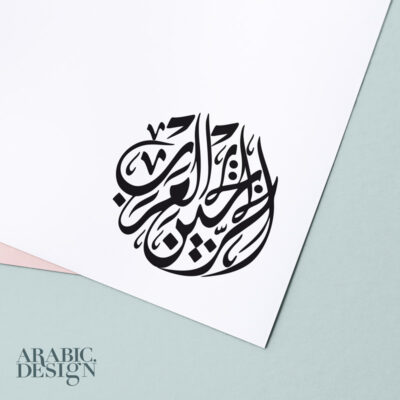
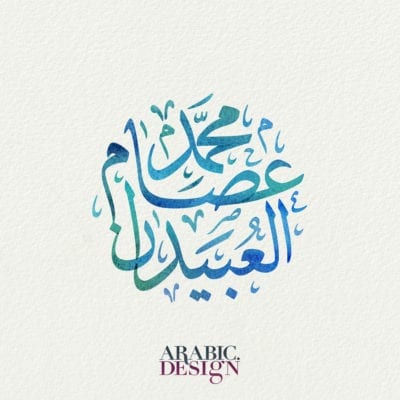
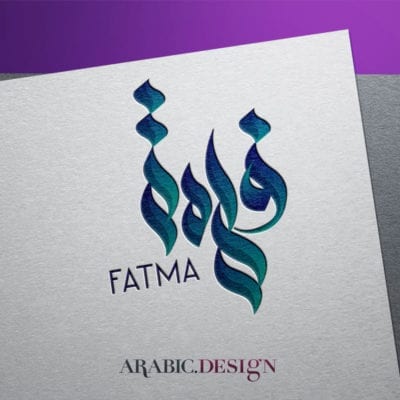
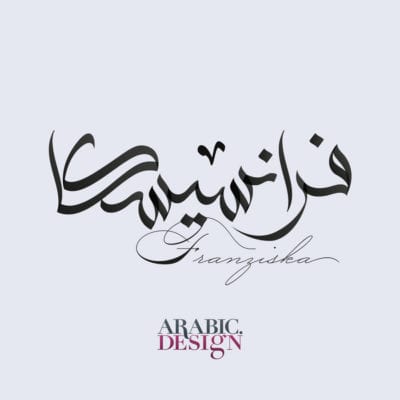
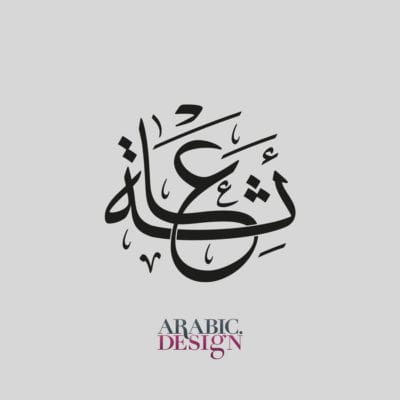
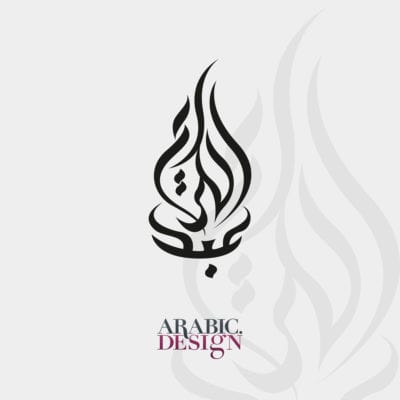
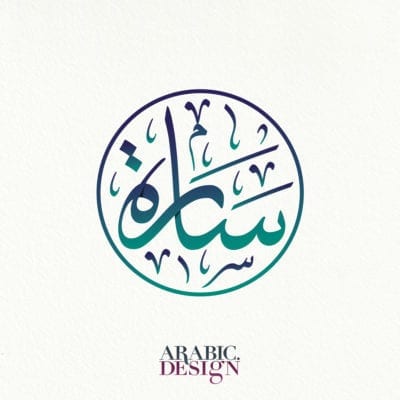
Arabic Calligraphy logo Classic Legacy
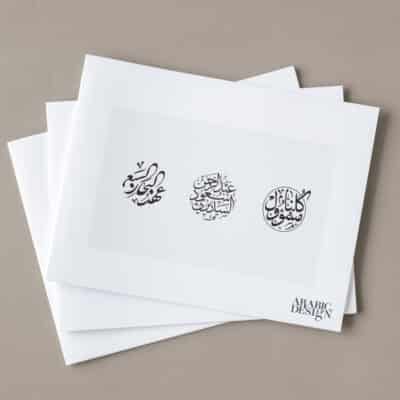
3 Arabic Calligraphy Logo design Classic Choice

Custom Arabic Typography

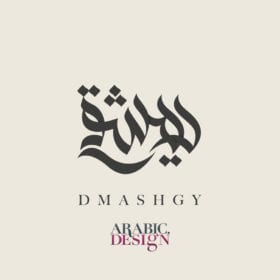
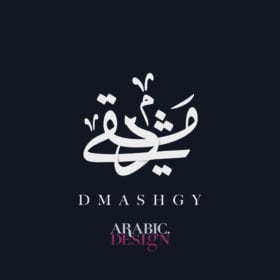
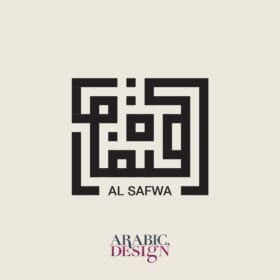
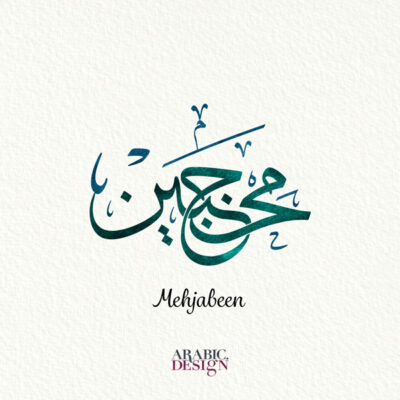
Custom typography develops letterforms for a specific name without necessarily following one classical script. It can create a contemporary, geometric, minimal, or expressive result while preserving correct Arabic construction and readability.

This approach often suits technology products, modern consumer brands, media, retail, and organizations that need a flexible wordmark across digital and physical applications.

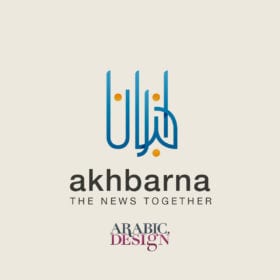
Bilingual Arabic and Latin Wordmarks

A bilingual logo should not look like two unrelated names placed together. The Arabic and Latin components need a considered relationship in weight, rhythm, proportion, spacing, hierarchy, and tone.

The objective is not to make both scripts identical. It is to make them feel as though they belong to one identity system.

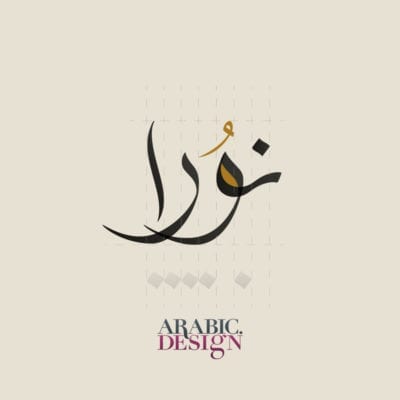
Freestyle Flair
Full Arabic Brand Identity

Choosing the Right Approach

Classical calligraphy is appropriate when heritage, cultural depth, or craftsmanship is central to the brand. Custom typography is useful when the identity needs contemporary control, clarity, and repeatable digital use. A bilingual wordmark system is important when Arabic and English must work together across markets and applications.

Some projects also need a wider identity system that can extend the mark across packaging, websites, social media, signage, motion, editorial layouts, and brand guidelines.

When Classical Arabic Calligraphy Is the Right Direction

Some identities require authentic handwritten calligraphy rather than a font or digital imitation. Nihad Taisir Studio presents a specialist approach to classical Arabic calligraphy for brands, logos, and cultural identity.

Nihad Taisir Studio is an independent studio and is not part of Arabic Design LLC.

Review the Classical Calligraphy Approach

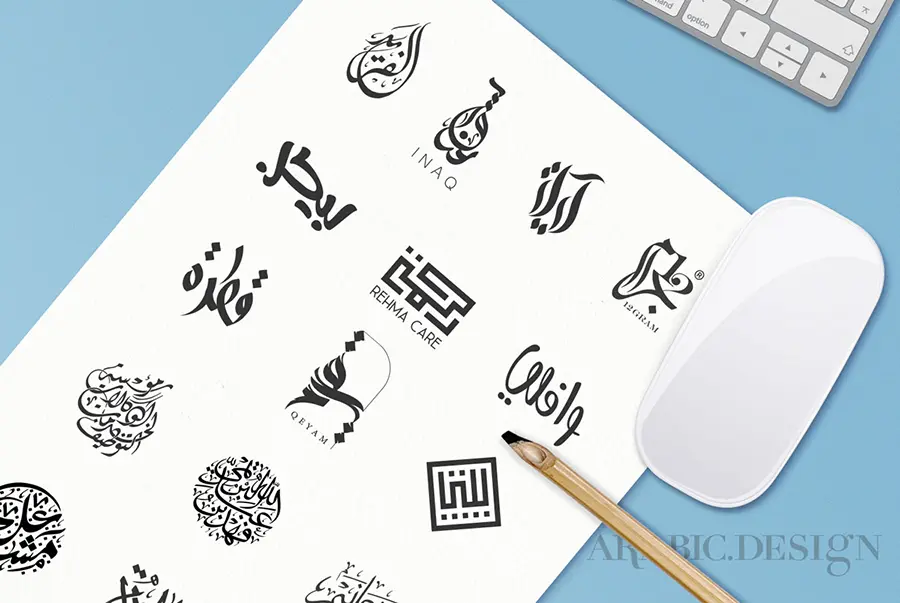
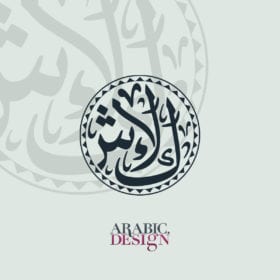
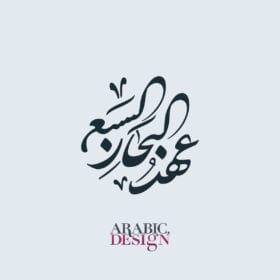
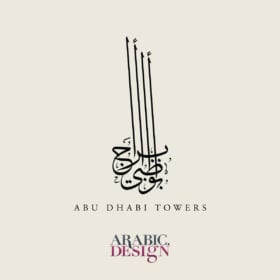
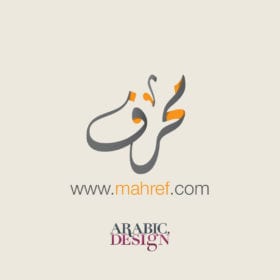
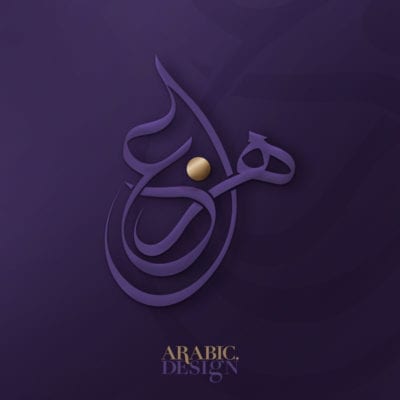
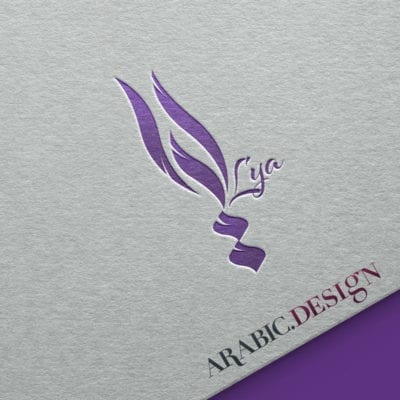
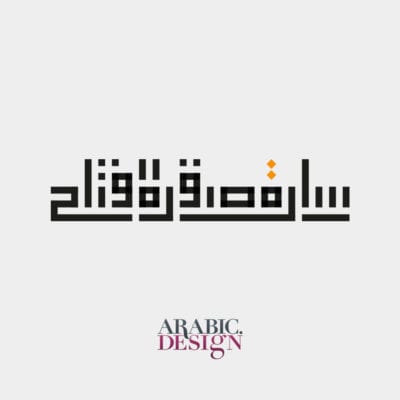
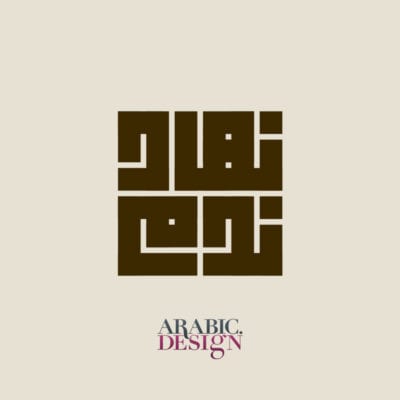
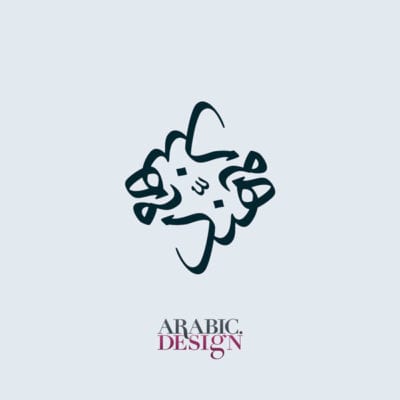
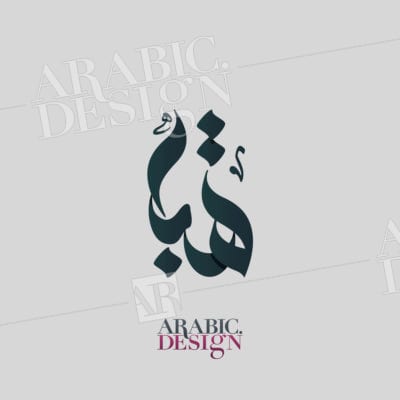
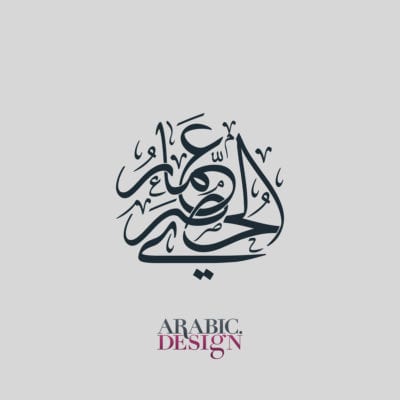
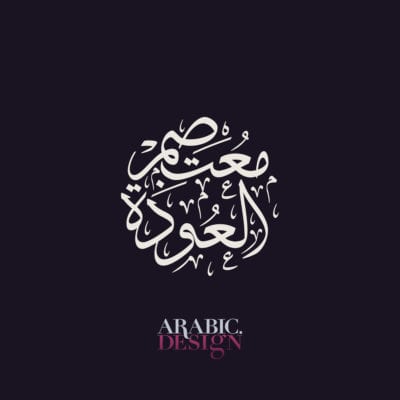
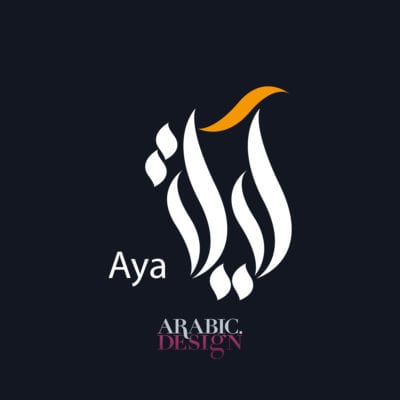
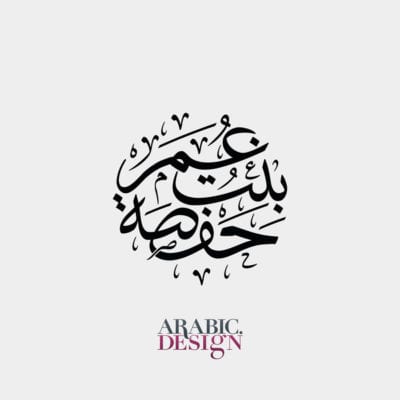
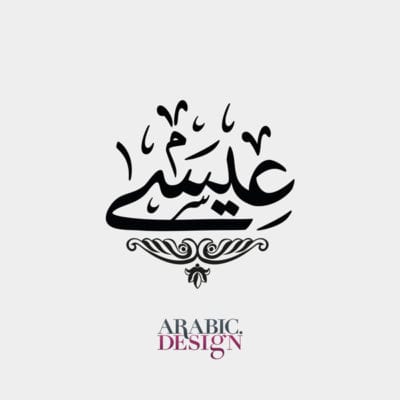
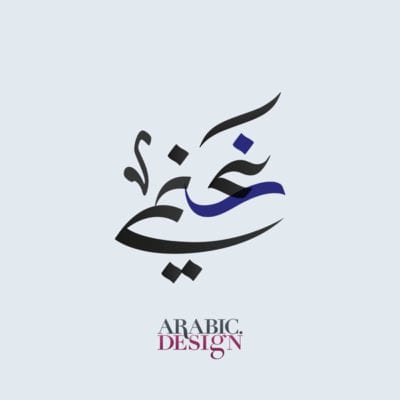
Arabic Logo and Wordmark Archive

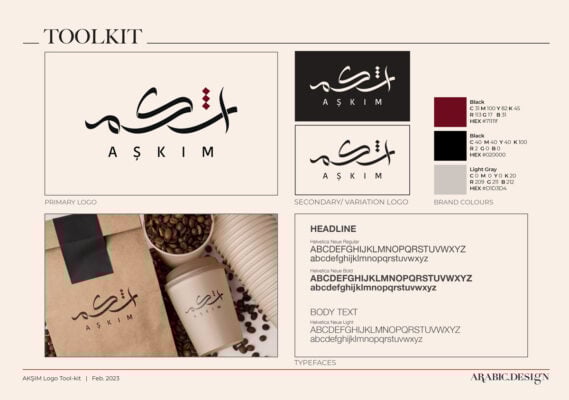
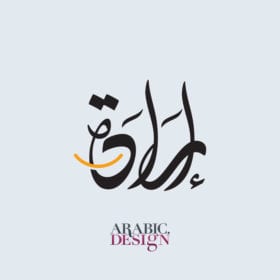
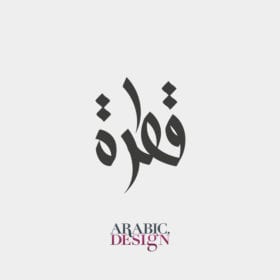
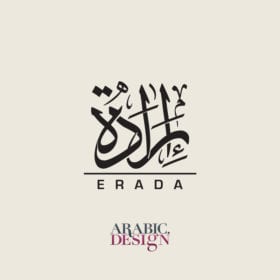
The gallery below documents selected Arabic logo, wordmark, and calligraphy work previously published on Arabic.Design. It is retained as a visual reference and historical archive, not as a current Arabic.Design service catalogue.

What Professional Arabic Logo Work Must Resolve

A visually attractive mark can still fail if the language or system is weak. A professional Arabic logo should address:

  • Correct Arabic spelling and letter connections.
  • Legibility at small and large sizes.
  • A clear balance between expression and recognition.
  • Appropriate cultural and sector context.
  • A consistent relationship between Arabic and Latin versions.
  • Vector construction for reliable reproduction.
  • Horizontal, stacked, and compact configurations where required.
  • Rules for clear space, minimum size, color, and background use.

Trademark availability is a separate legal question. A design should not be treated as legally cleared until the appropriate trademark checks are completed in the relevant markets.

Preparing a Useful Project Brief

Before contacting a specialist, prepare the exact brand name in Arabic and Latin characters, confirmed spelling and pronunciation, target markets, sector, intended applications, brand qualities, existing assets, and any relevant cultural references.
A clear brief reduces avoidable revisions and helps determine whether the project needs classical calligraphy, custom typography, bilingual adaptation, or a broader identity system.

Frequently Asked Questions

Is Arabic calligraphy the same as Arabic typography?

No. Classical calligraphy follows established scripts, tools, and proportions. Arabic typography uses designed or typeset letterforms and may be based on a font or custom lettering system. A logo can use either approach or combine them carefully.

Can Arabic and English share one logo system?

Yes. A bilingual identity can use separate but coordinated Arabic and Latin wordmarks, a combined lockup, or a flexible system with several approved configurations. The two scripts should be balanced without forcing one to imitate the other.

Which Arabic script is best for a logo?

There is no universal best script. Thuluth can feel monumental and formal. Diwani can feel fluid and elegant. Diwani Jali can create a richer ornamental presence. Ijazah can offer a balanced and refined character. The choice should follow the brand, name, and intended applications.

Should an Arabic logo use a font or custom lettering?

A font may be sufficient for a simple typographic lockup or an early prototype. Custom lettering is more appropriate when the wordmark needs distinct character, controlled proportions, or a closer relationship with an existing Latin identity.

What should be ready before contacting a specialist?

Prepare the final Arabic and Latin name spellings, target markets, sector, intended applications, brand qualities, existing assets, and any relevant cultural references.

Looking for Classical Arabic Calligraphy for a Brand or Logo?

Review the dedicated Nihad Taisir Studio page to understand the classical scripts, handwritten process, brand applications, selected work, and contact route for professional inquiries.
Visit Nihad Taisir Studio

You will continue to an independent studio website.