Arabic Names in Calligraphy and Lettering

Arabic Name Design: Calligraphy, Typography, and Personal Wordmarks

An Arabic name can be written as a simple first name, a full family name, an expressive calligraphic composition, or a name-based wordmark. Each form requires accurate spelling, appropriate letter connections, and a visual approach suited to its intended use.

This guide explains the main choices, preserves a historical archive of Arabic name designs, and helps you prepare accurate information before approaching a specialist.

Explore Classical Arabic Calligraphy for Names

Professional calligraphy inquiries are handled independently by Nihad Taisir Studio.

What Does Arabic Name Design Mean?

Arabic name design is the visual treatment of a personal, family, or brand name using Arabic letterforms. The result may follow an established calligraphic script, use contemporary custom lettering, or become a structured wordmark for repeated use.

The correct direction depends on whether the name is intended for personal artwork, a gift, a tattoo reference, an event, a signature, packaging, or a commercial identity.

First Name

A single name can be composed with greater visual freedom, but the Arabic spelling and intended pronunciation must still be confirmed before design begins.

Full Name

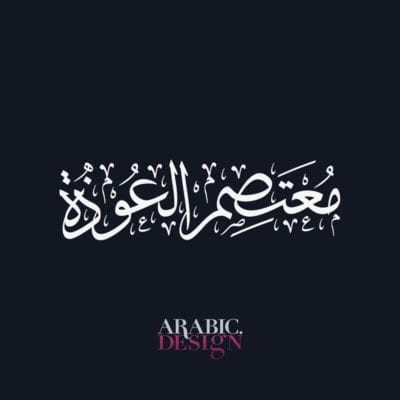
A multi-word name requires careful hierarchy, spacing, and reading order. Family names and compound names may need more than one approved arrangement.

Name as a Wordmark

A name used repeatedly as a logo needs legibility, scalable vector construction, and clear rules for different sizes and backgrounds. Visual appeal alone is not enough.

Confirm the Arabic Spelling First

Names do not always have one automatic Arabic spelling. The correct form may depend on the original language, pronunciation, family preference, or an established official spelling.

Before using an Arabic name in permanent or commercial work, confirm:

  • The exact name in its original language.
  • How the name is pronounced.
  • The preferred Arabic spelling.
  • Whether the result must match a passport, legal record, or established brand form.
  • Whether diacritics are required.

For a tattoo, legal mark, or permanent inscription, independent linguistic review is especially important.

Calligraphy or Custom Typography?

Classical calligraphy follows established scripts, tools, and proportions. Custom typography develops letterforms for a specific contemporary purpose. Both can be appropriate, but they communicate different levels of tradition, formality, readability, and flexibility.

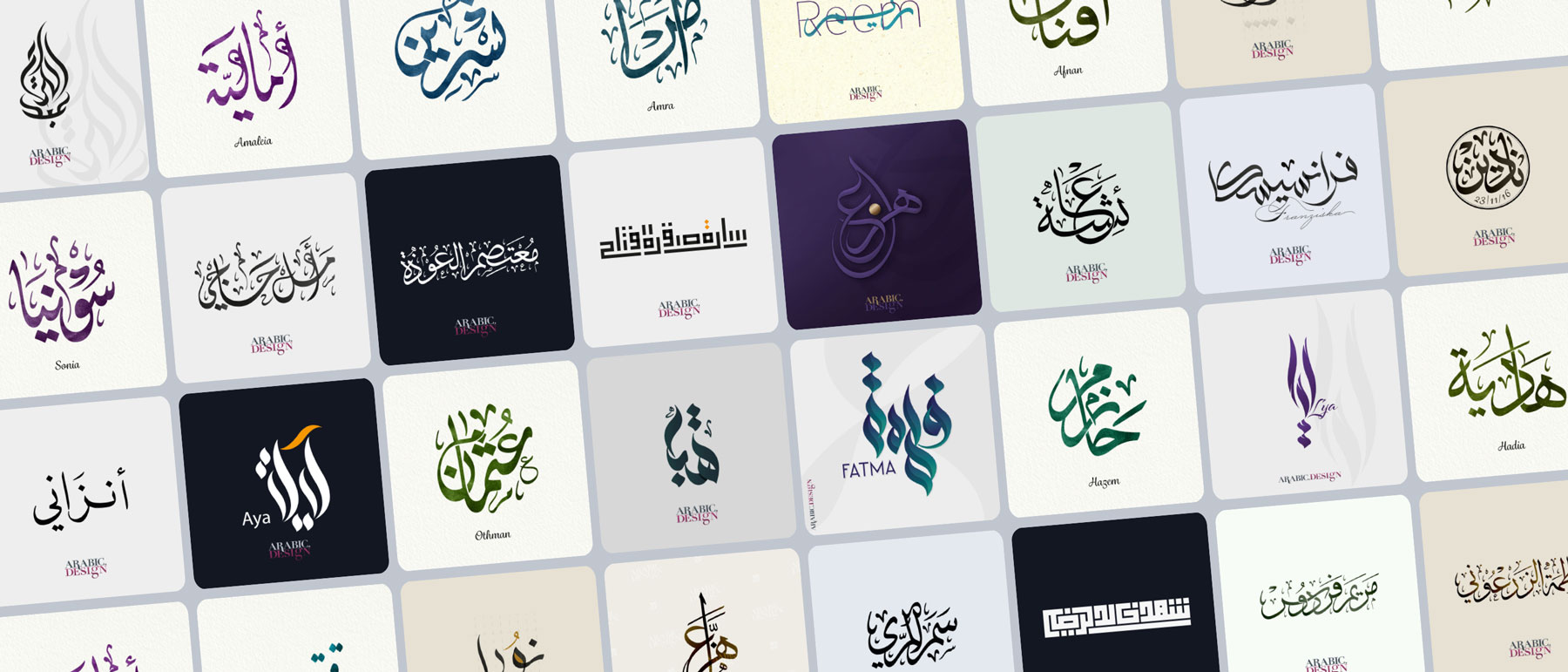
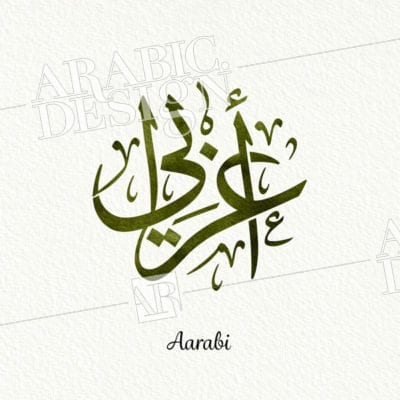
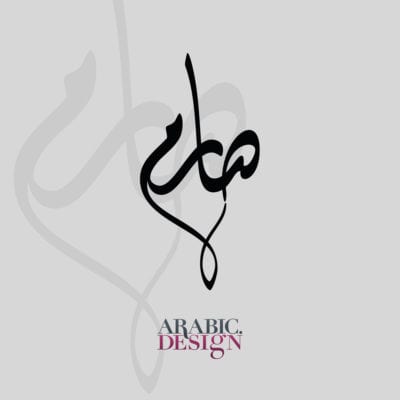
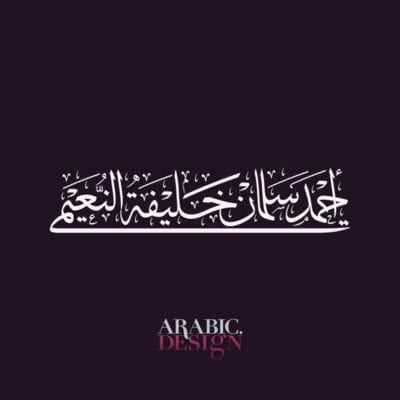
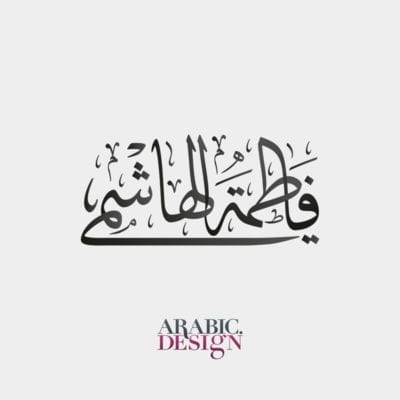
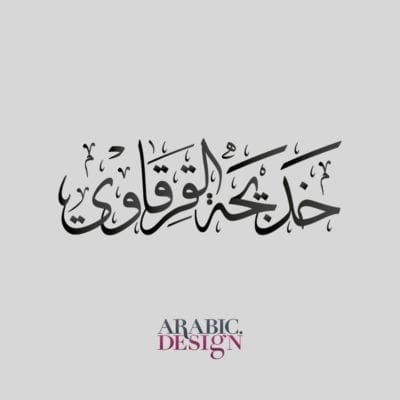
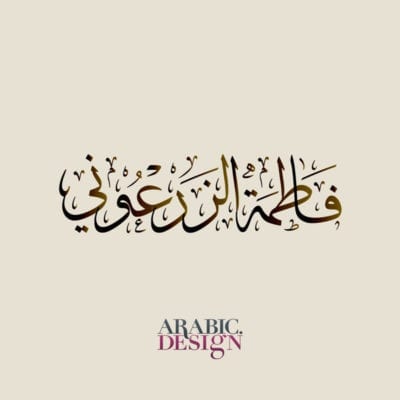
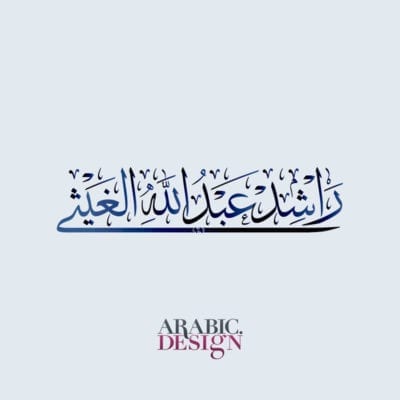
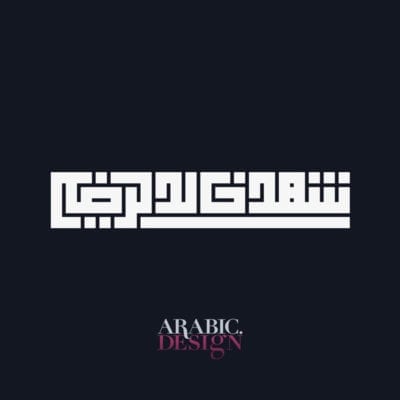
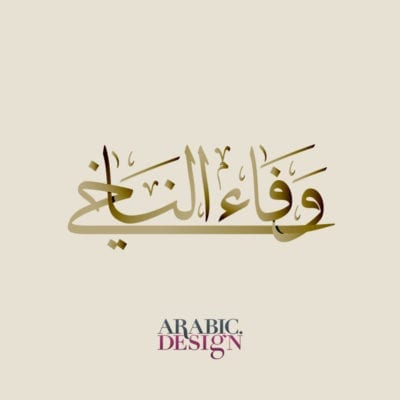
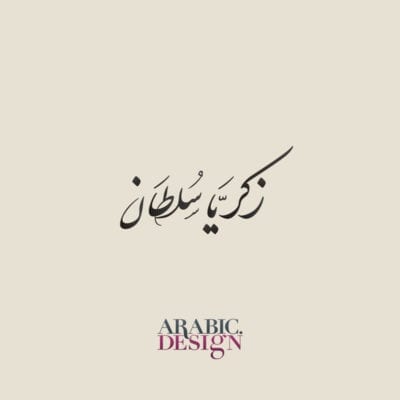
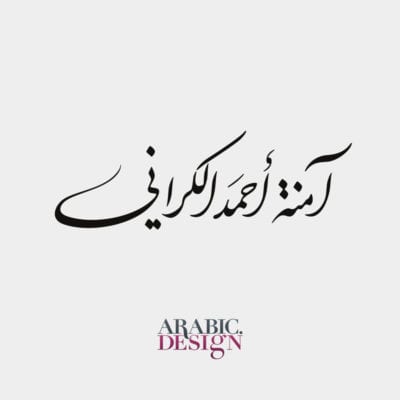
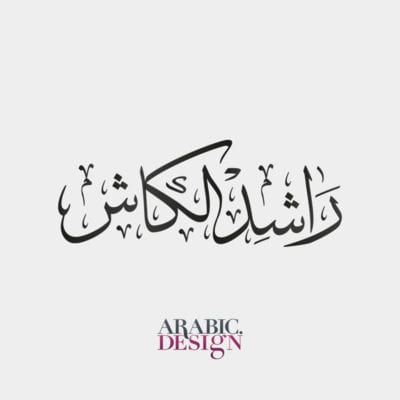
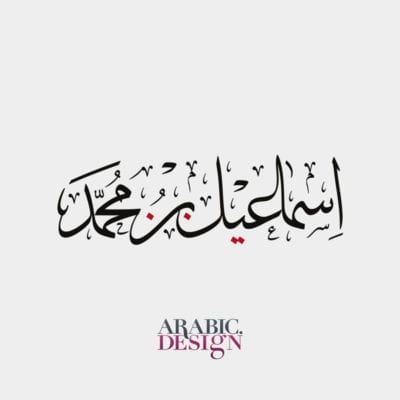
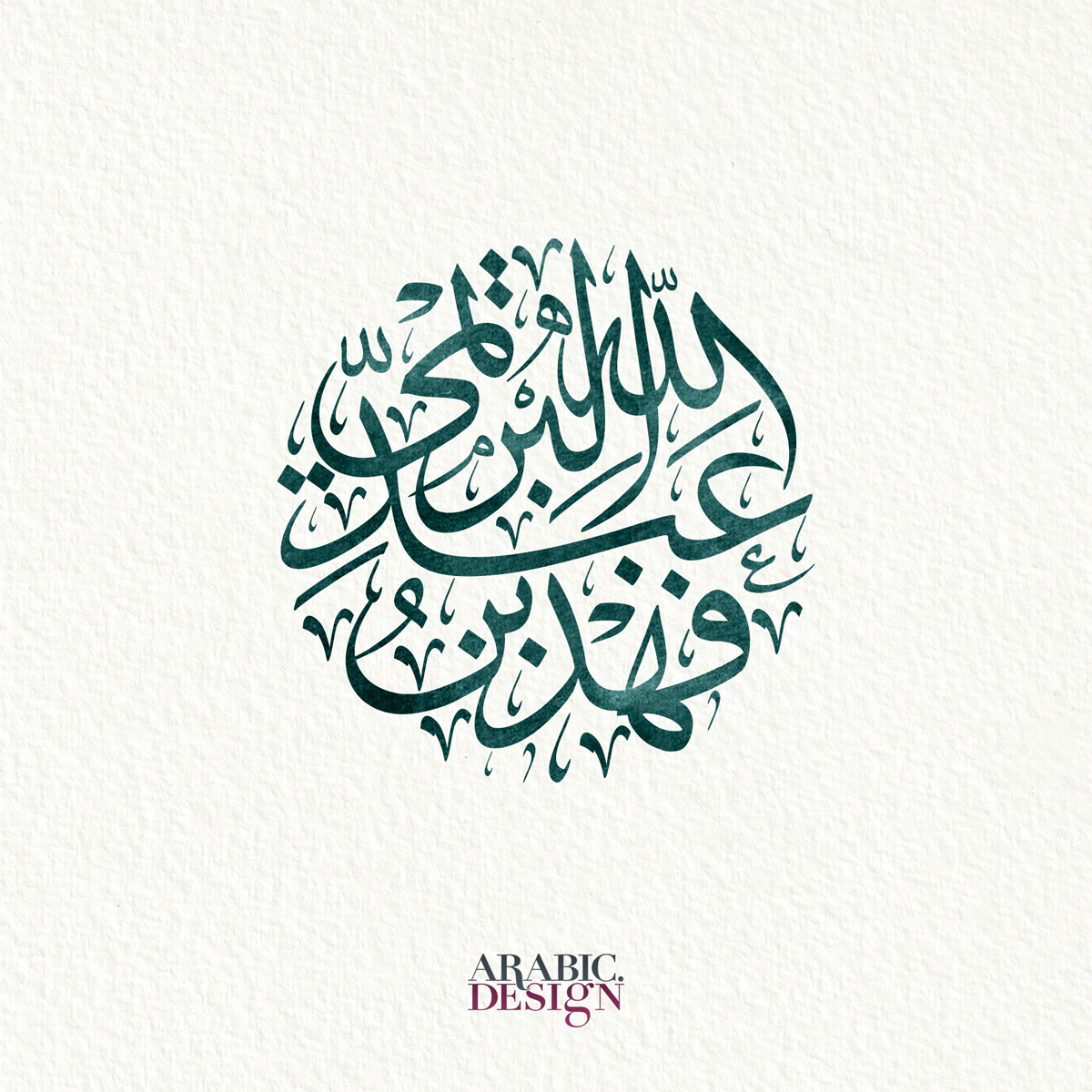
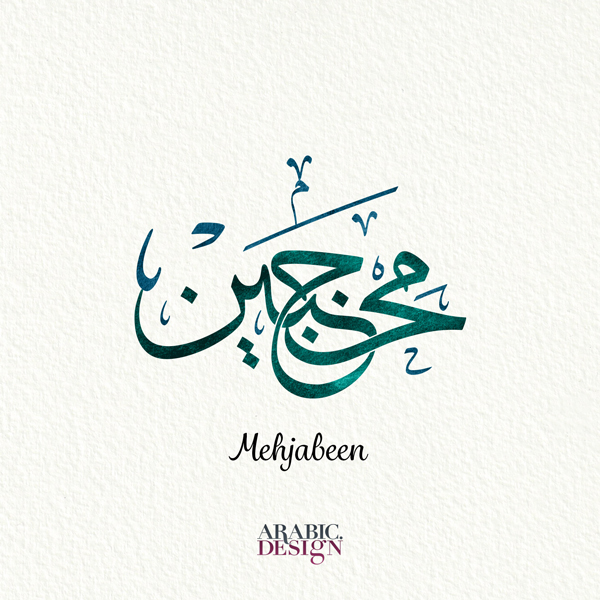
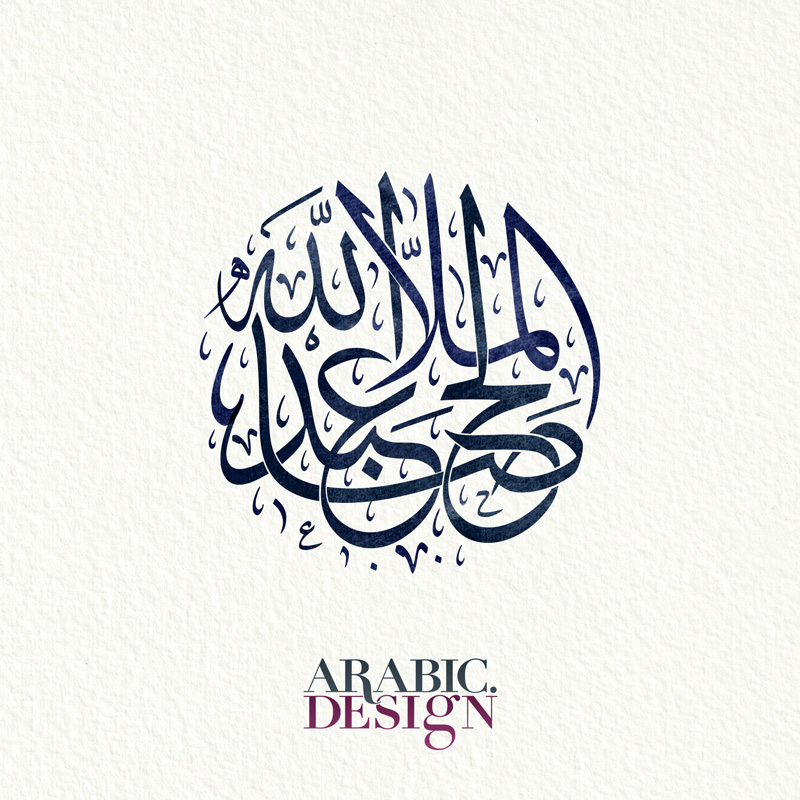
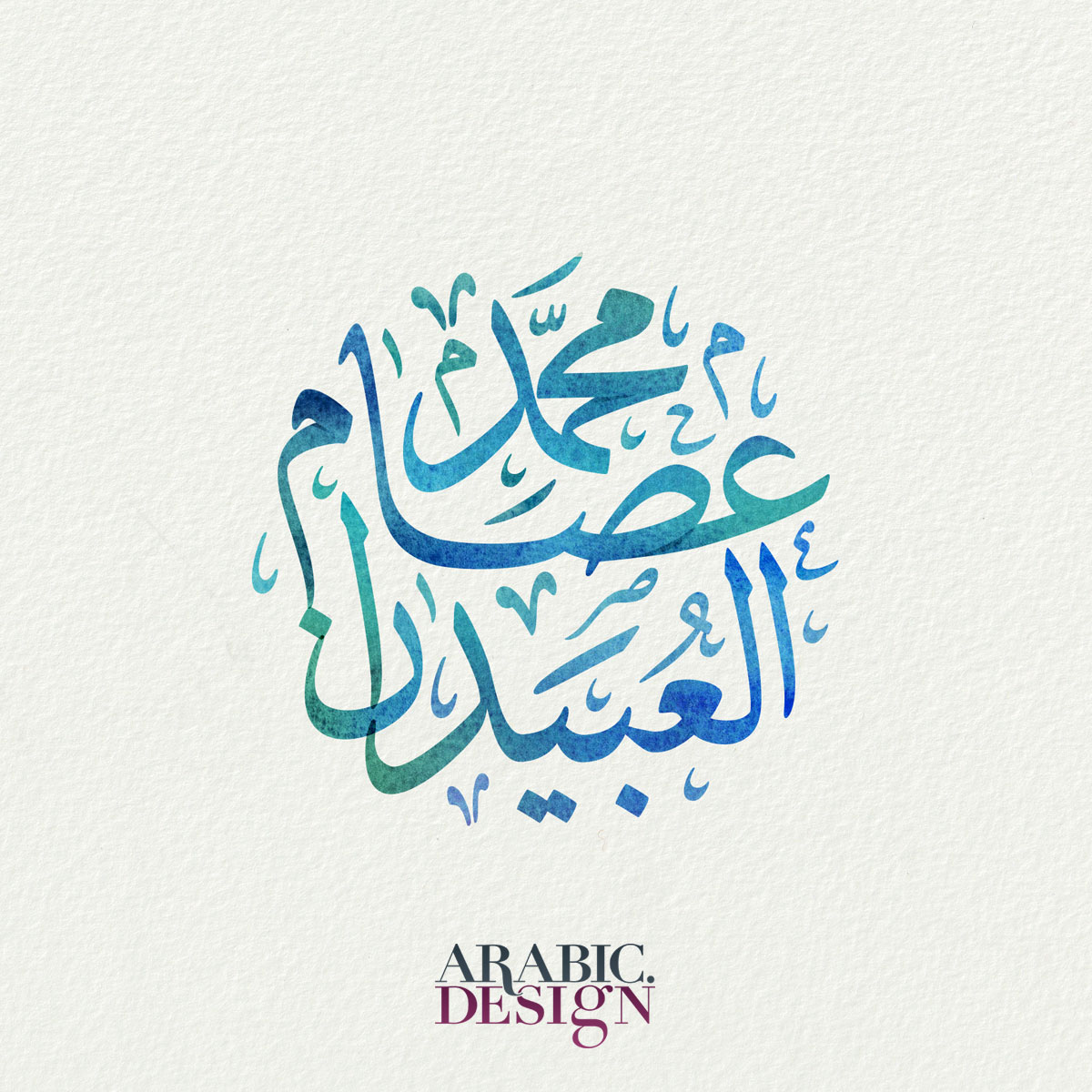
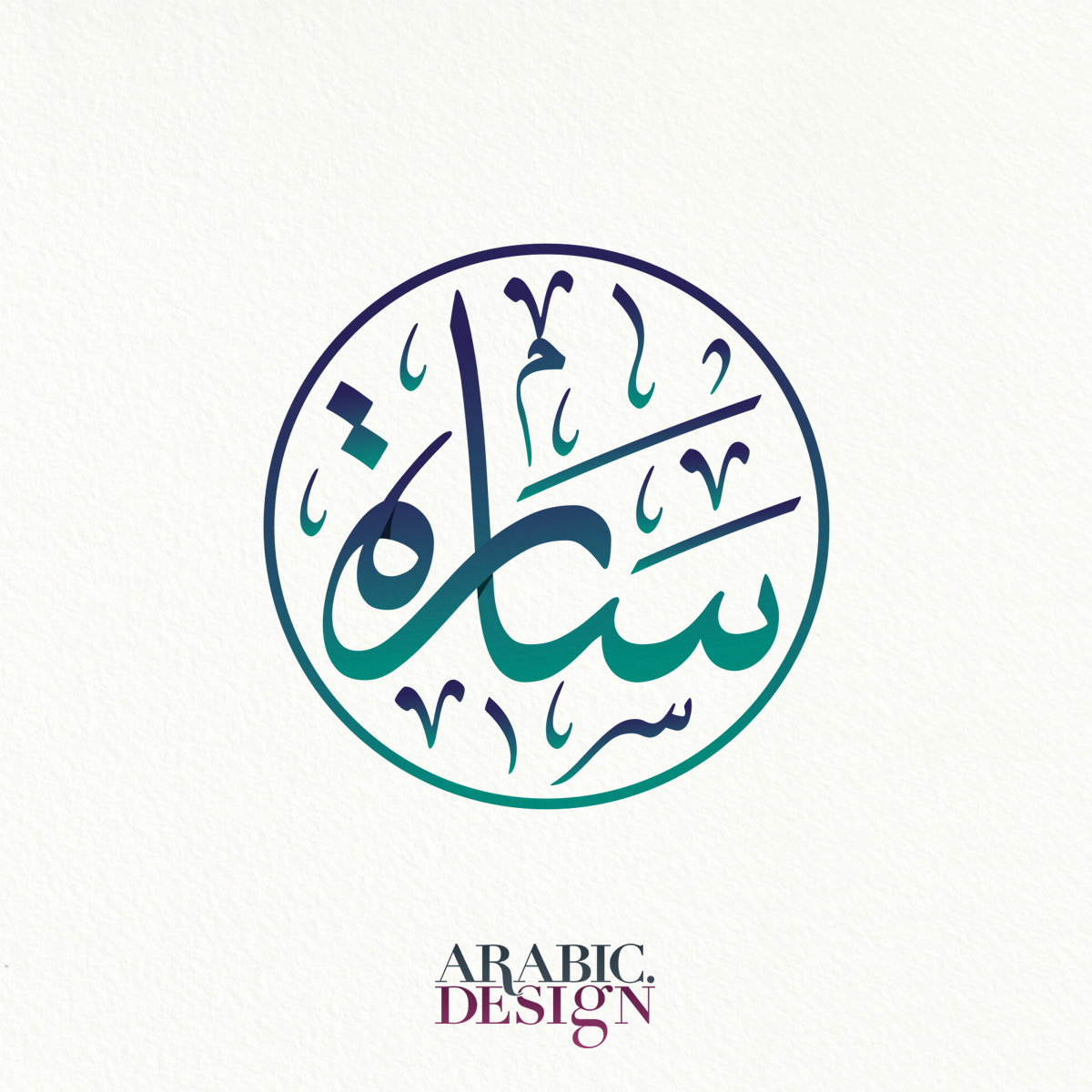
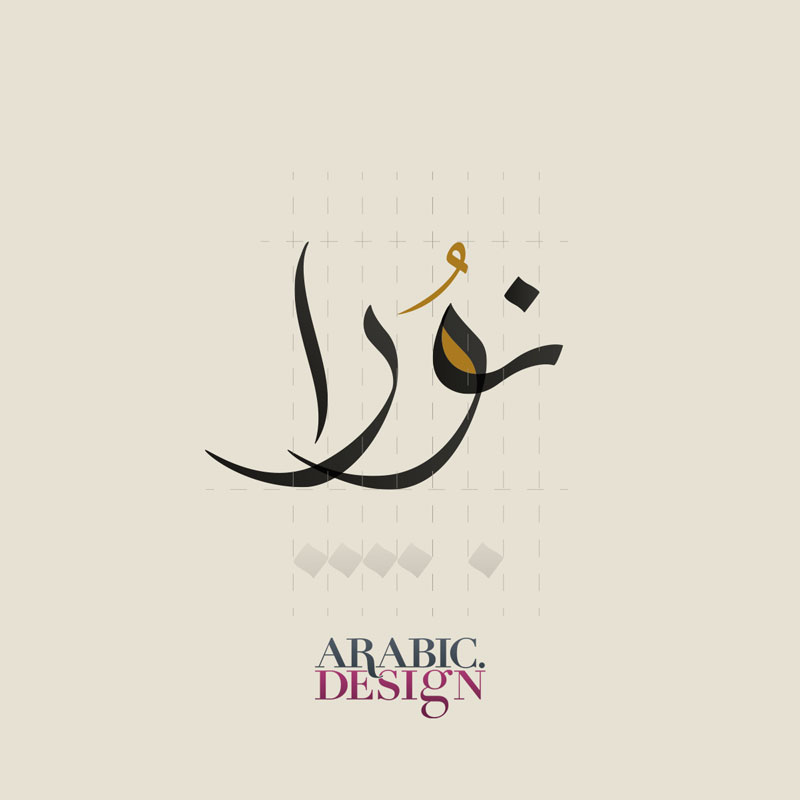
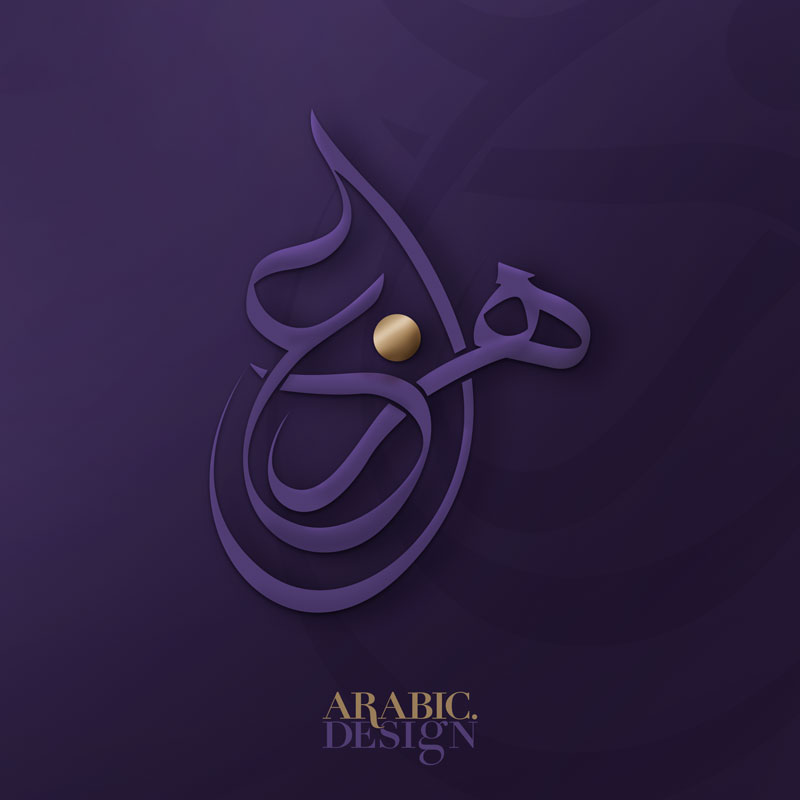
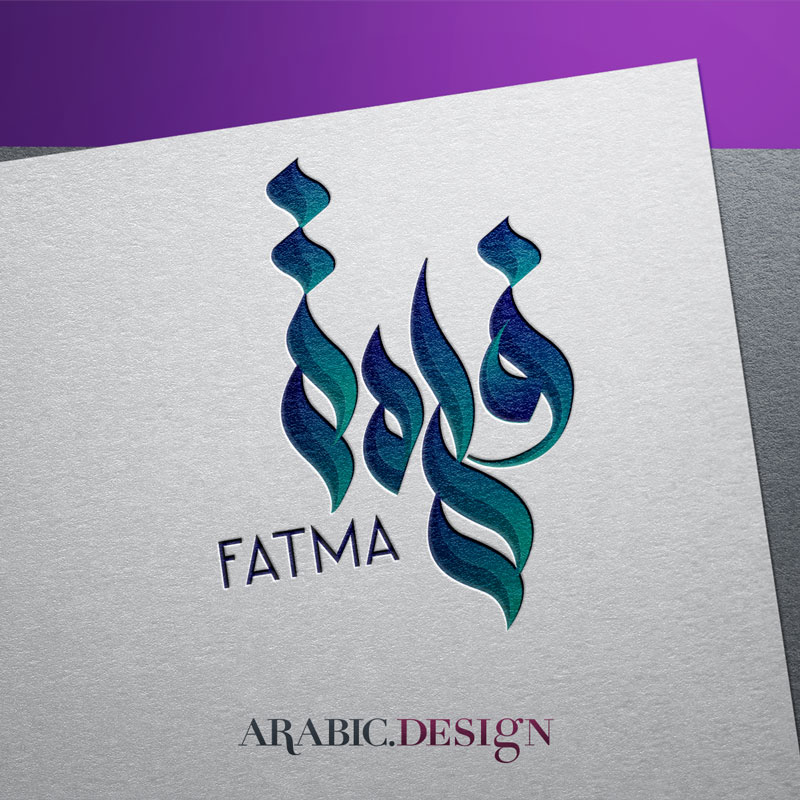
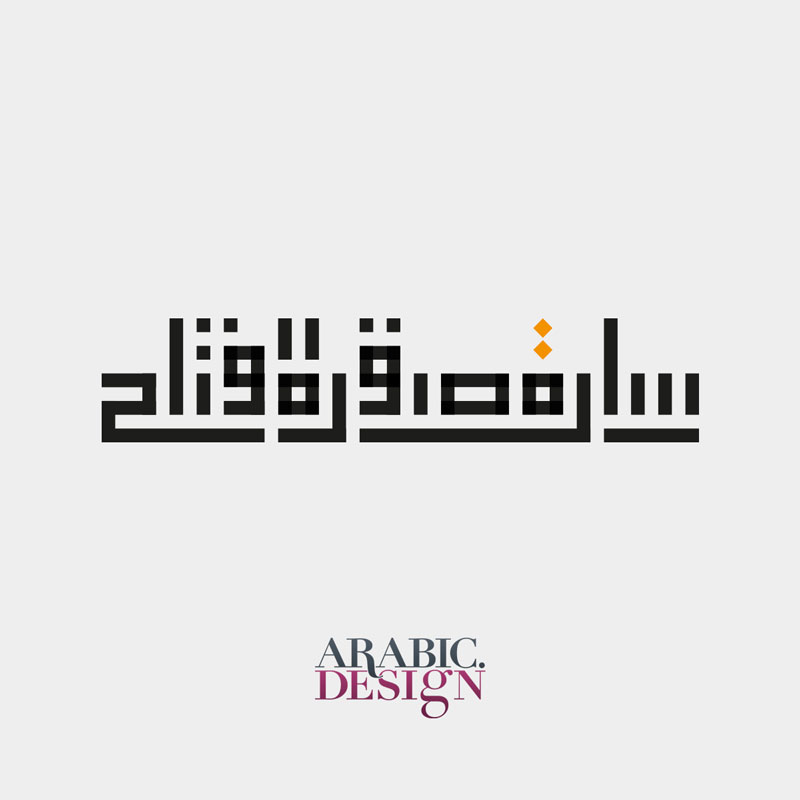
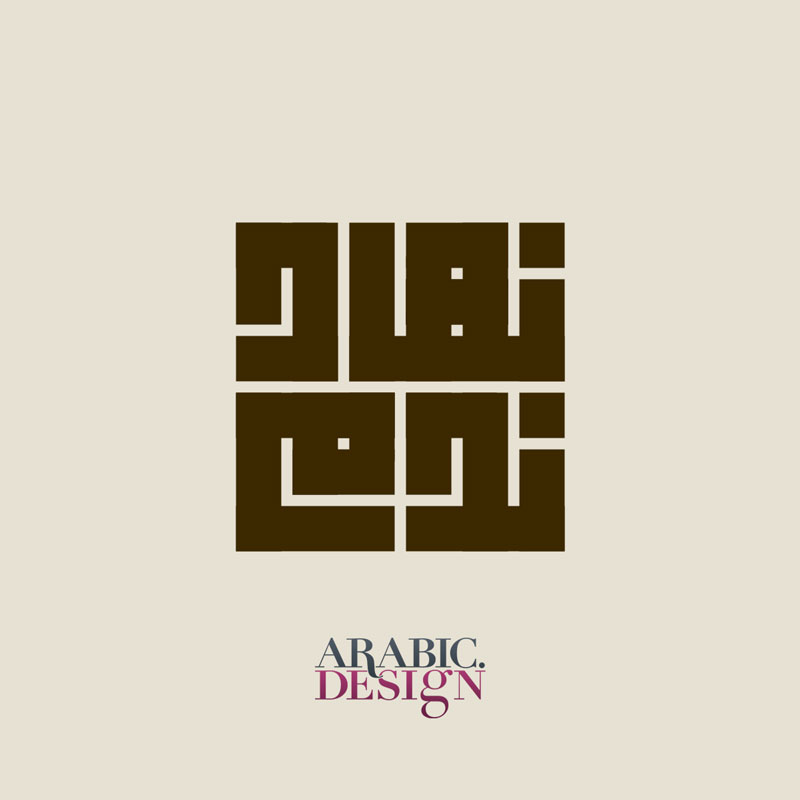
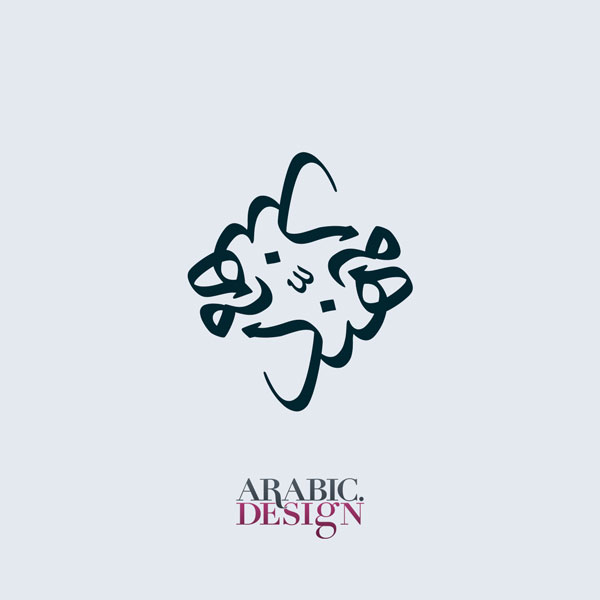
First Name Calligraphy Archive

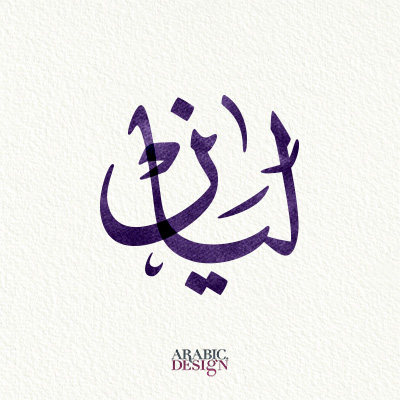
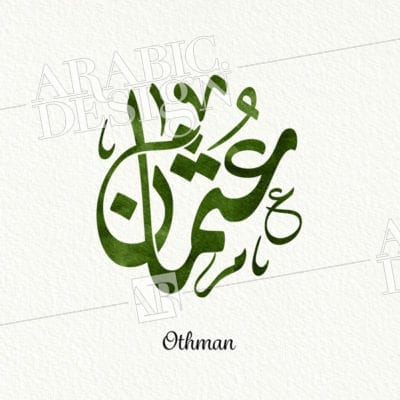
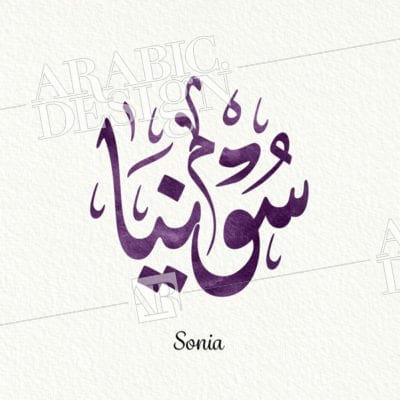
A first name may be written horizontally, vertically, or as a compact composition. Script choice affects its rhythm, formality, and readability.

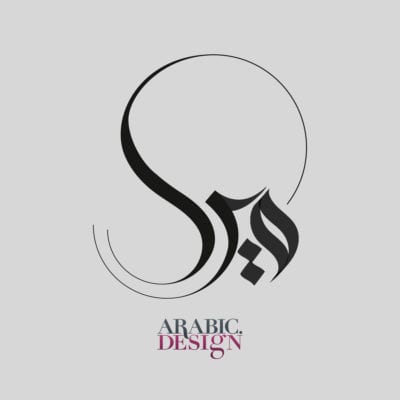
The works shown here are retained as a historical visual archive. They are not a current Arabic.Design service catalogue.

Name-Based Marks and Personal Logos

A name-based mark may function as a signature, personal identity, product label, or commercial wordmark. It must be evaluated in context rather than treated as decorative writing alone.

For brand use, the final result should be tested at small sizes and prepared in vector form for consistent reproduction.

Choosing an Arabic Calligraphy Script

There is no universal best script for every name. The letters contained in the name, the intended mood, and the final application all affect the choice.

  • Thuluth can feel monumental, formal, and culturally rooted.
  • Diwani can feel fluid, elegant, and expressive.
  • Diwani Jali can create a dense and ornamental composition.
  • Ijazah can offer a refined balance between structure and softness.
  • Naskh prioritizes clarity and familiar reading.
  • Square Kufic can create a geometric construction, but it requires enough space and careful checking.

What a Useful Brief Should Include

  • The exact name in Arabic and Latin characters.
  • Confirmed pronunciation and preferred spelling.
  • The intended use, size, and medium.
  • Whether the name is personal, commemorative, or commercial.
  • Preferred scripts or visual references, if known.
  • Any deadline and required file formats.

Quality Checks Before Final Use

  • Correct spelling and letter connections.
  • Clear reading order.
  • Legibility at the intended size.
  • Appropriate cultural and visual context.
  • Vector preparation when the design will be reproduced.
  • Independent review before permanent, legal, or high-risk use.

Frequently Asked Questions

How do I write my name in Arabic?

Start with pronunciation, not letter-for-letter substitution. Some names have an established Arabic form, while others require transliteration. Confirm the spelling with a fluent Arabic reader before using it permanently.

Can the same name have more than one Arabic spelling?

Yes. Different spellings may reflect pronunciation, regional convention, or family preference. When a name appears in official records or an existing identity, that established form should be considered first.

Is Arabic calligraphy the same as an Arabic font?

No. Classical calligraphy is handwritten according to established scripts and proportions. A font is a repeatable digital type system. Custom lettering can sit between the two, depending on how it is created.

Can an Arabic name design be used as a logo?

It can, but a logo needs more than an attractive composition. It should be legible, scalable, distinctive, and suitable for its commercial applications. Trademark availability must be assessed separately.

What files are useful for professional use?

Vector files such as SVG, EPS, or editable PDF are generally appropriate for scalable reproduction, alongside high-resolution raster exports for everyday use.

Can AI-generated Arabic lettering be used without review?

AI can support visual exploration, but Arabic spelling, dots, connections, and diacritics should be checked carefully before publication or permanent use.
Looking for Handwritten Arabic Calligraphy for a Name?

Review the Nihad Taisir Studio portfolio to understand the classical scripts, handwritten process, selected work, and contact route for professional inquiries.

Visit the Classical Arabic Calligraphy Portfolio

Nihad Taisir Studio is an independent studio and is not part of Arabic Design LLC.