Arabic Calligraphy Writing: Styles, Uses, and Project Planning

Arabic calligraphy writing transforms a name, phrase, quotation, or ceremonial text into a carefully composed visual form.

This guide explains the main composition approaches, the details that affect readability and character, and what to prepare before commissioning Arabic lettering for a brand, cultural project, invitation, artwork, or personal piece.

Explore Classical Arabic Calligraphy Work
What Is Arabic Calligraphy Writing?

Arabic calligraphy writing is more than converting words into decorative script. A successful composition considers the exact Arabic text, spelling and diacritics, the chosen calligraphic tradition, the balance between letters and negative space, and the final context in which the artwork will appear.

Short names and phrases may work as a single flowing line, while longer texts need a clear hierarchy and deliberate rhythm. Brand and cultural applications also require careful decisions about legibility, reproduction size, and how the lettering relates to a wider visual identity.

Horizontal Calligraphy Compositions

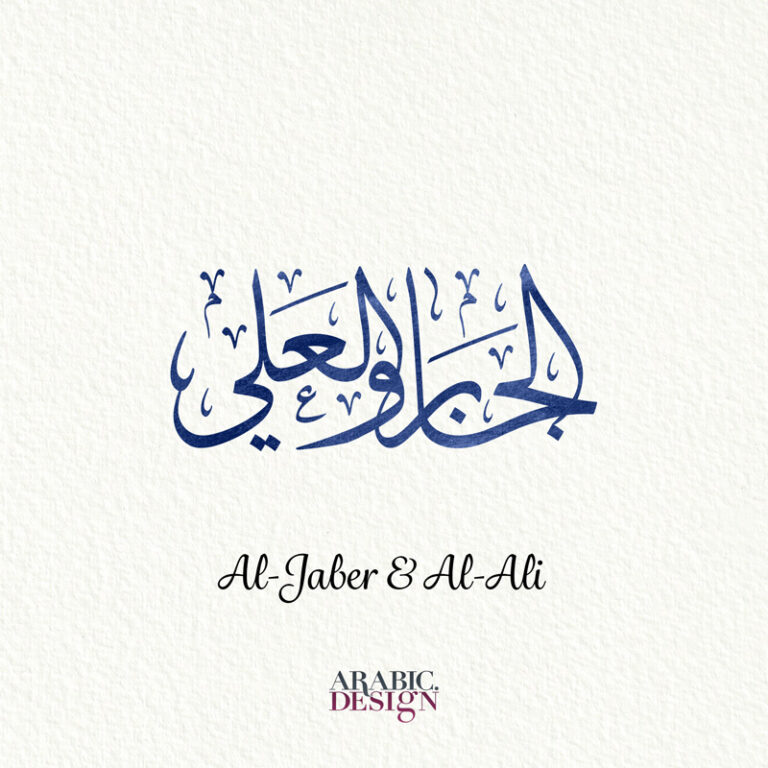
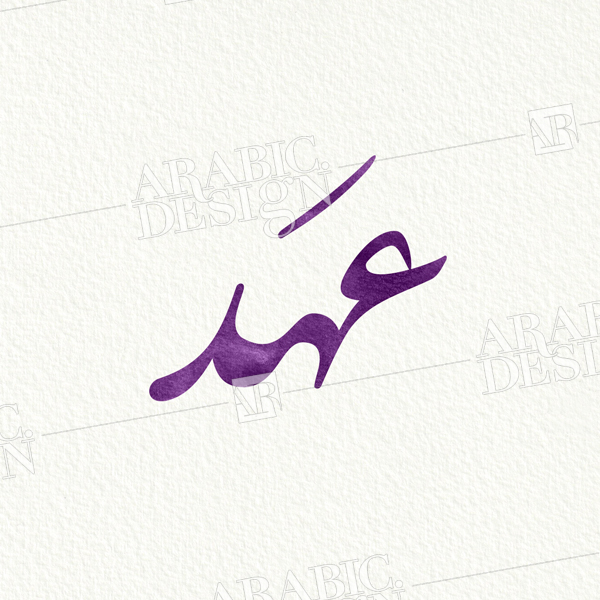
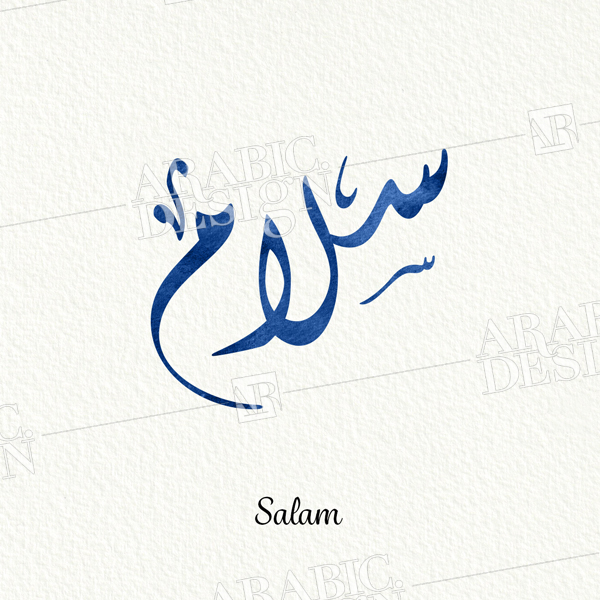
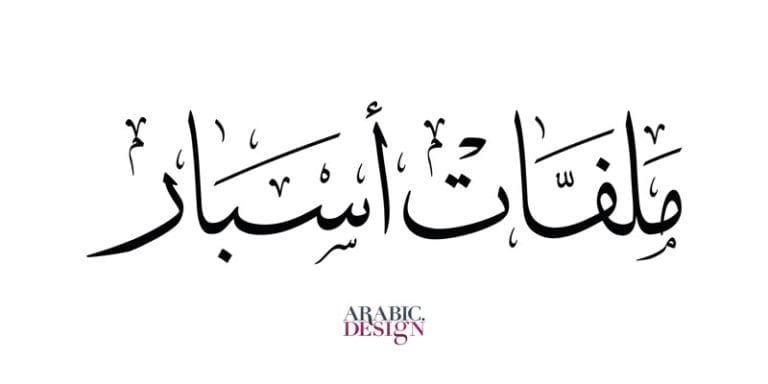
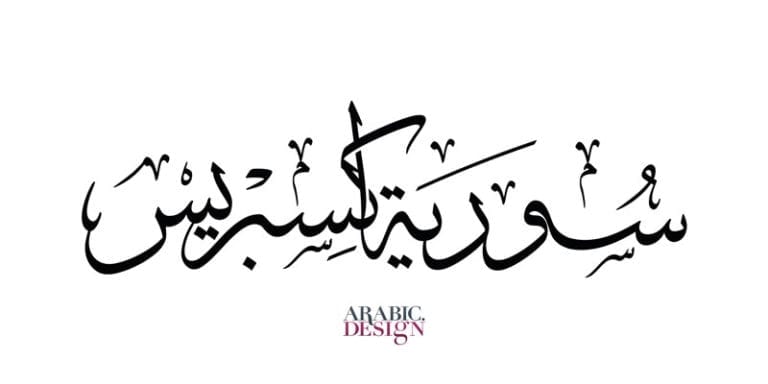
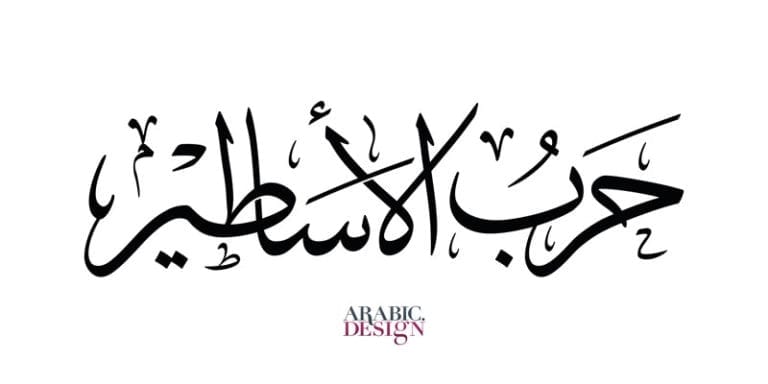
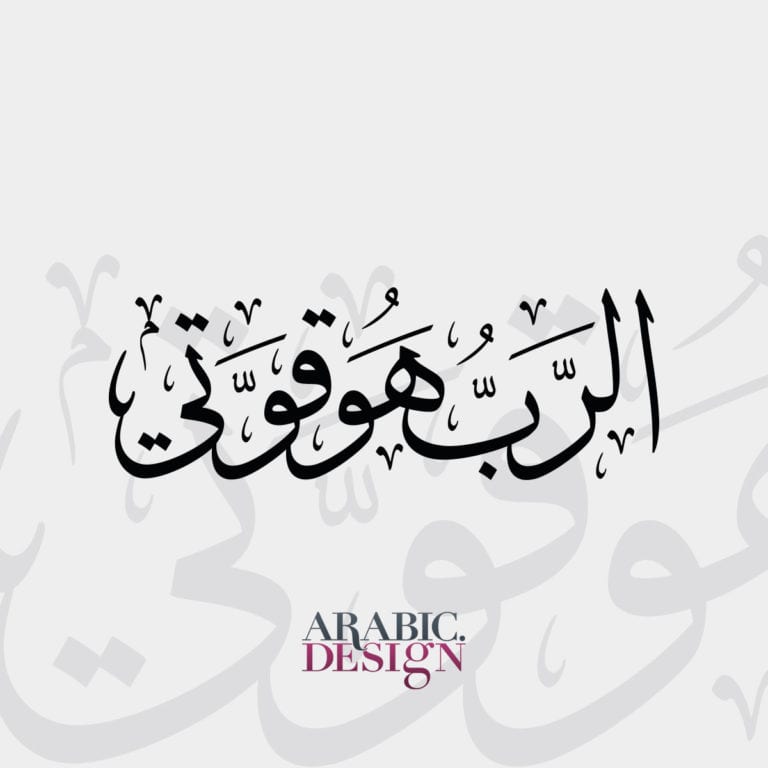
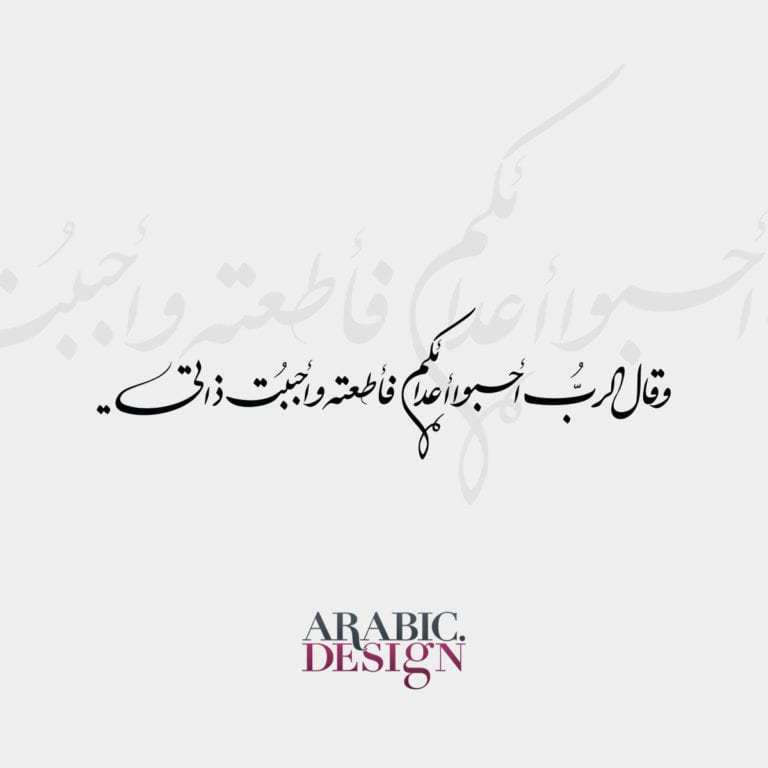
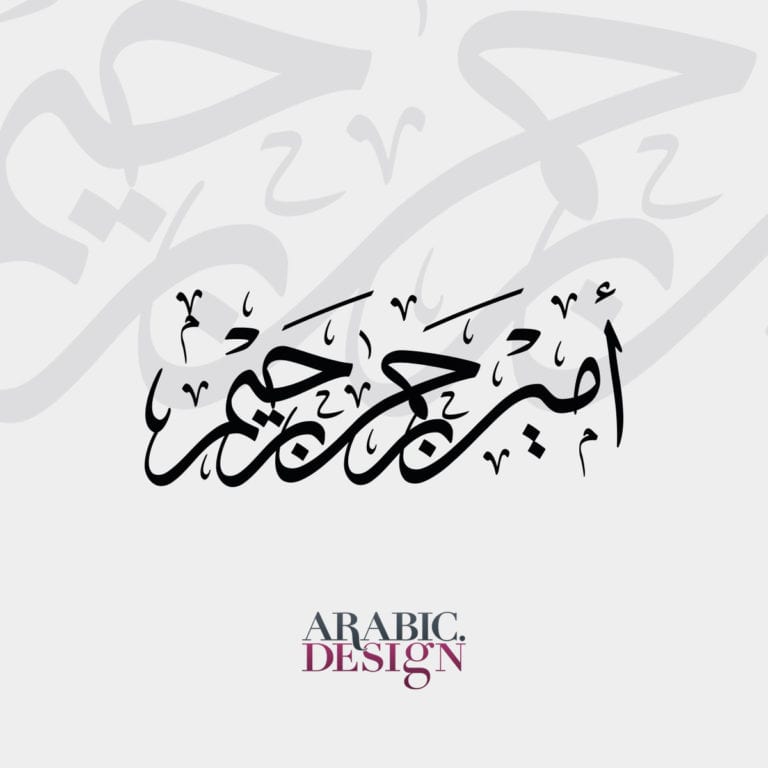
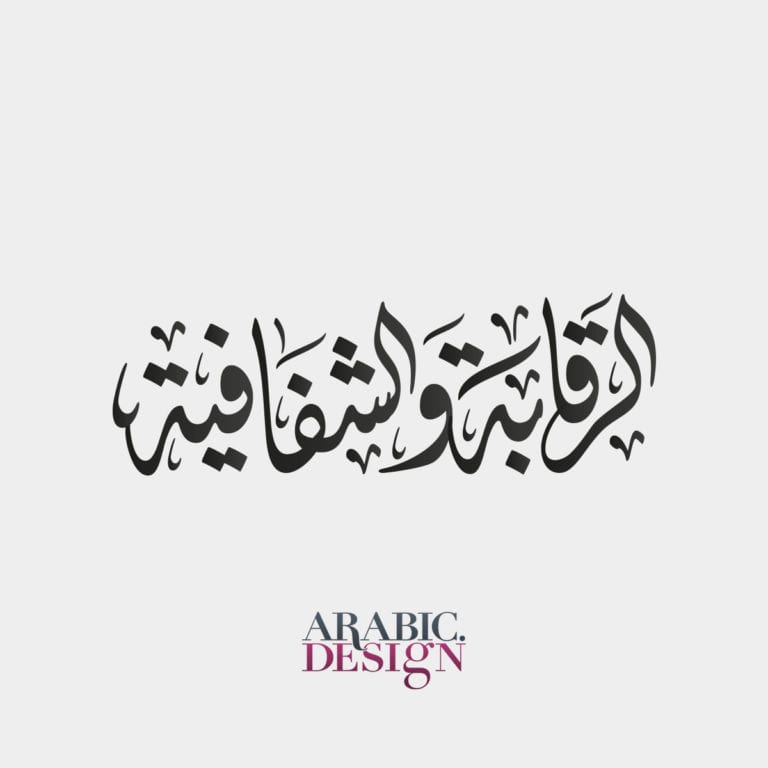
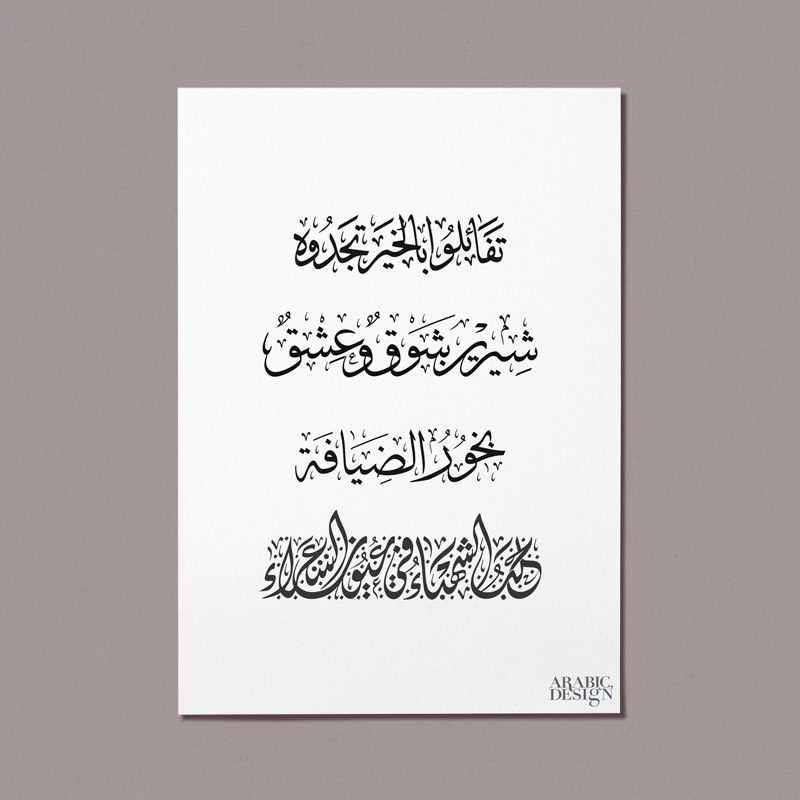
A horizontal composition is suitable for names, short phrases, quotations, headings, and architectural inscriptions. It prioritizes reading flow and can range from a restrained classical line to a more expressive arrangement.

The proportions depend on the script, the length of the text, and the intended application. A compact social graphic, a framed artwork, and a large environmental inscription each require different spacing and detail.

Arabic Calligraphy Horizontal Elegance
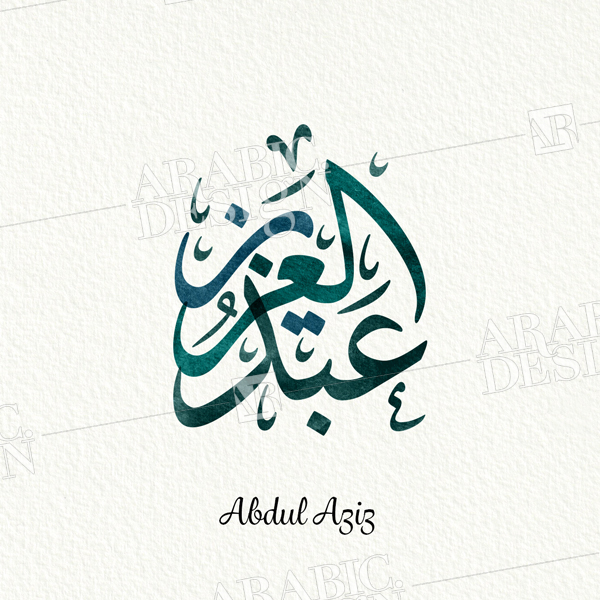
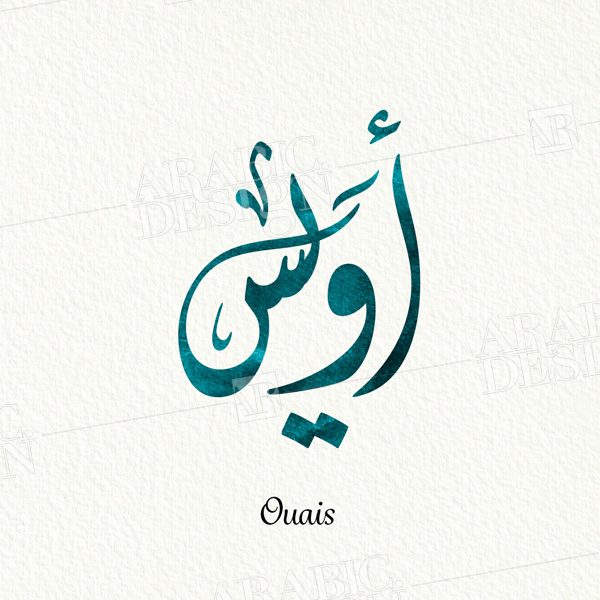
Shaped Serenity

Shaped and Emblematic Compositions

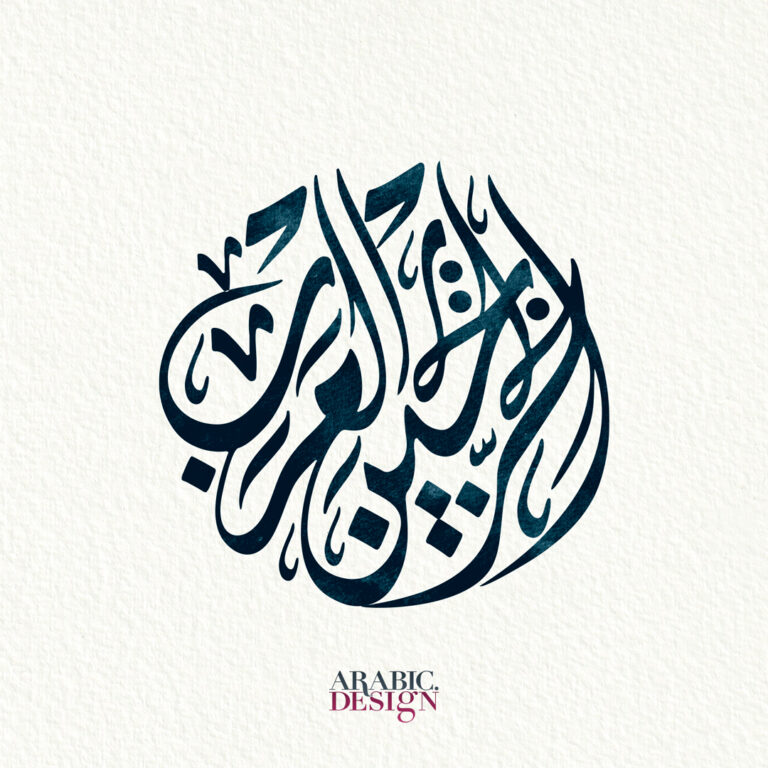
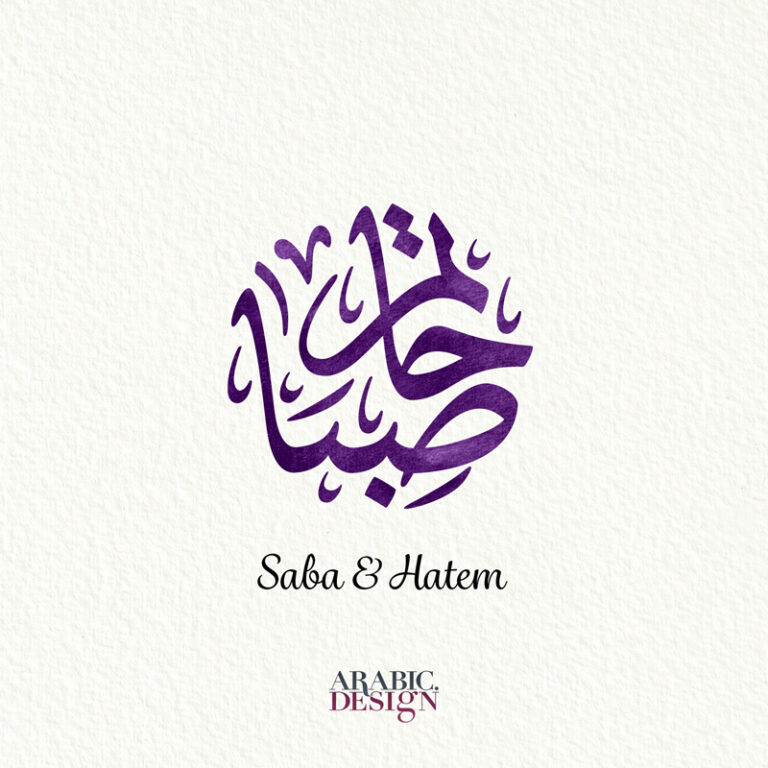
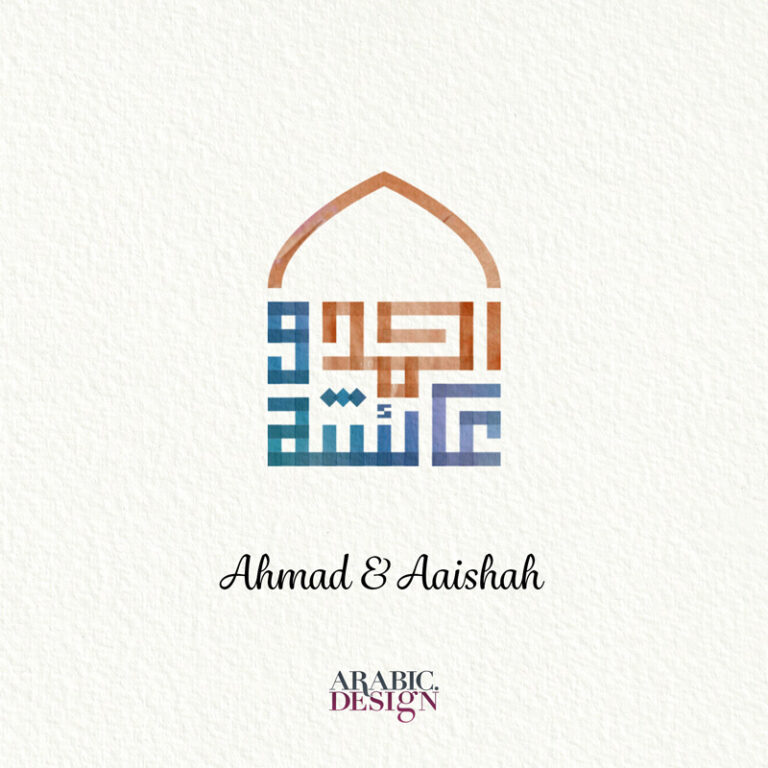
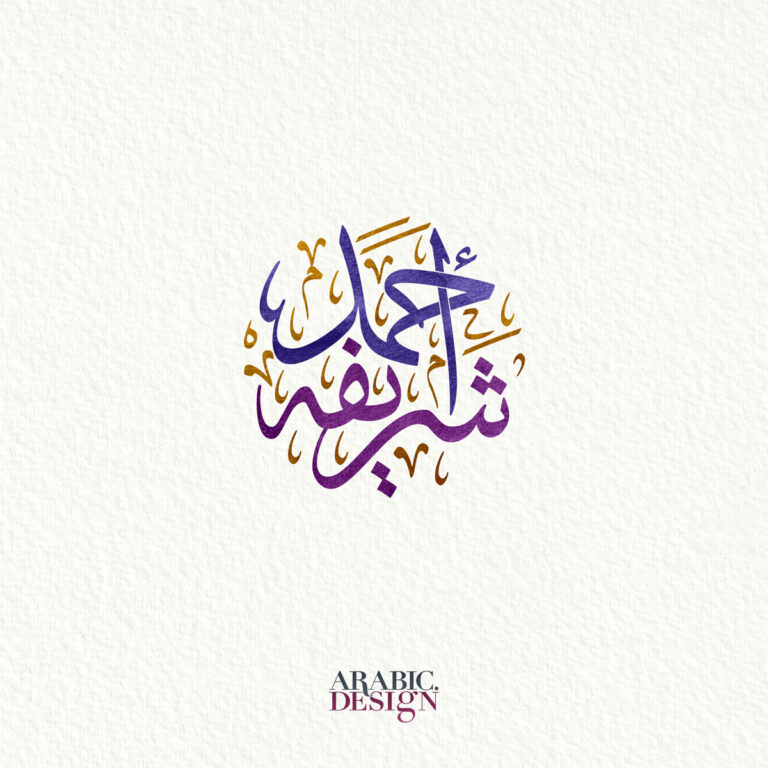
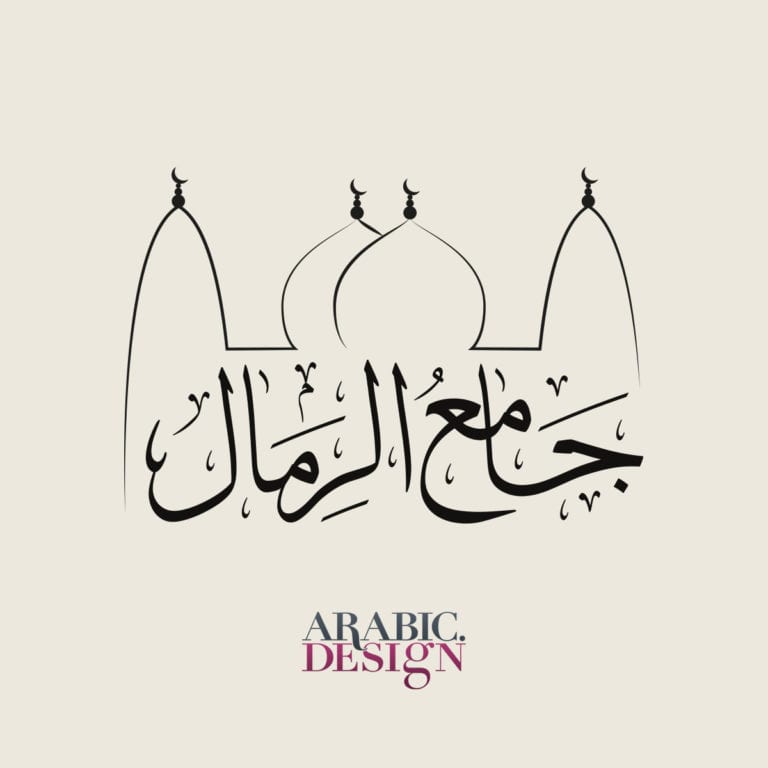
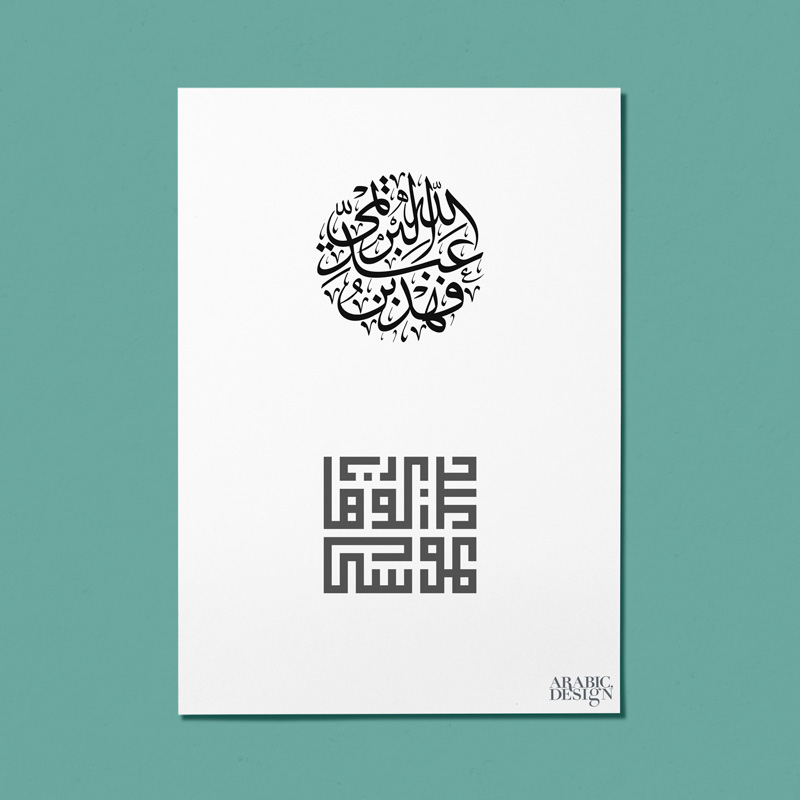
Letters can be organized into circular, square, architectural, or symbolic forms when the text and concept support that structure. These compositions may suit cultural identities, marks, seals, editorial pieces, or artworks where the silhouette carries meaning.

The shape should emerge from the Arabic lettering rather than forcing the words into an unreadable outline. Strong work preserves the identity of the script while creating a memorable overall form.

Invitations and Longer Texts

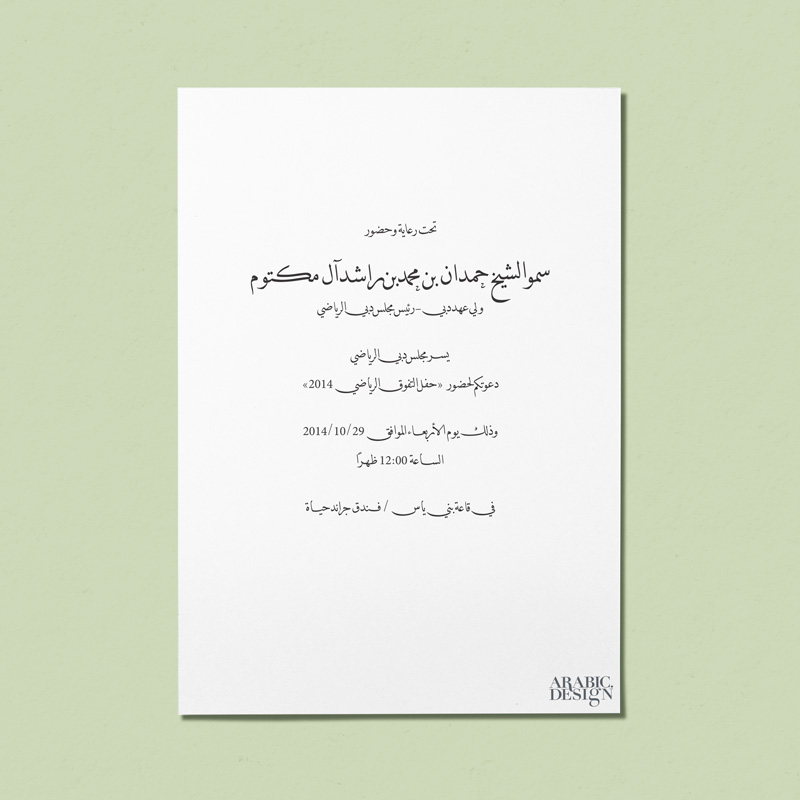
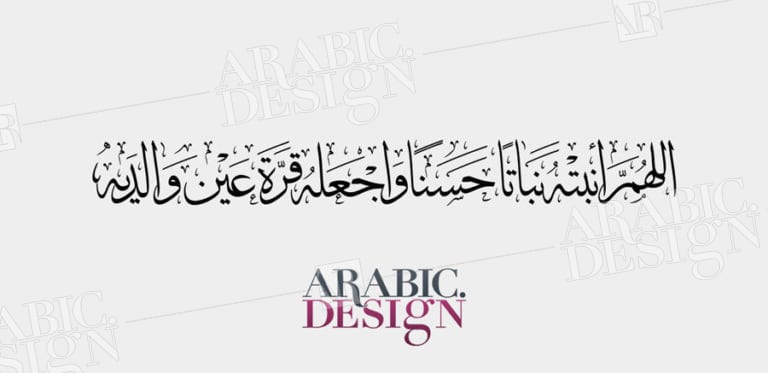
Wedding invitations, dedications, poems, and ceremonial passages require a different approach from a short name or logo. Line breaks, hierarchy, punctuation, diacritics, and reading order must be planned before the visual composition is refined.

For bilingual material, the Arabic and Latin text should be reviewed together so neither language feels secondary. Approved wording should be supplied before final lettering begins.

Long text for an invitation

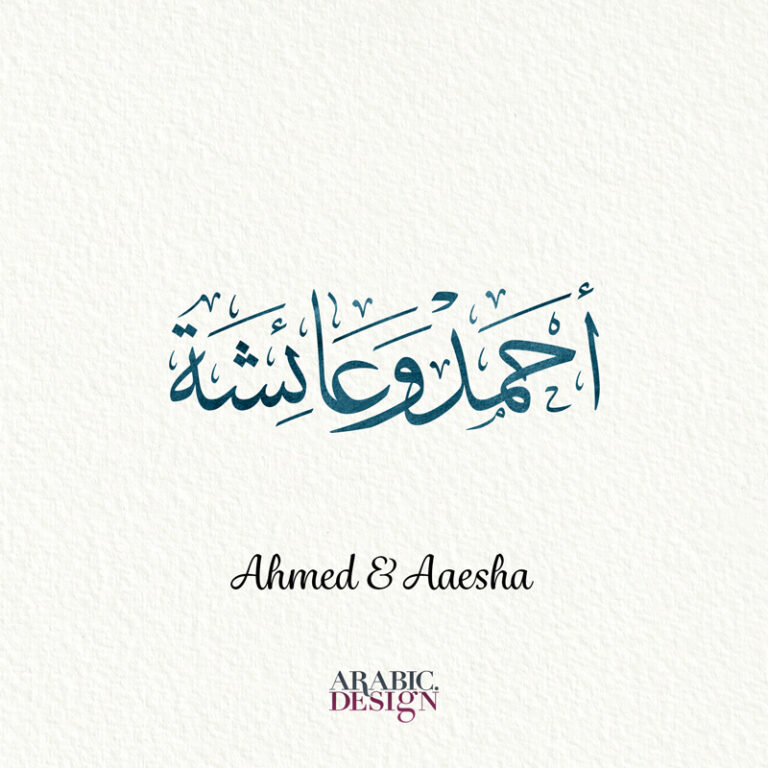
Arabic Calligraphy Writing Examples

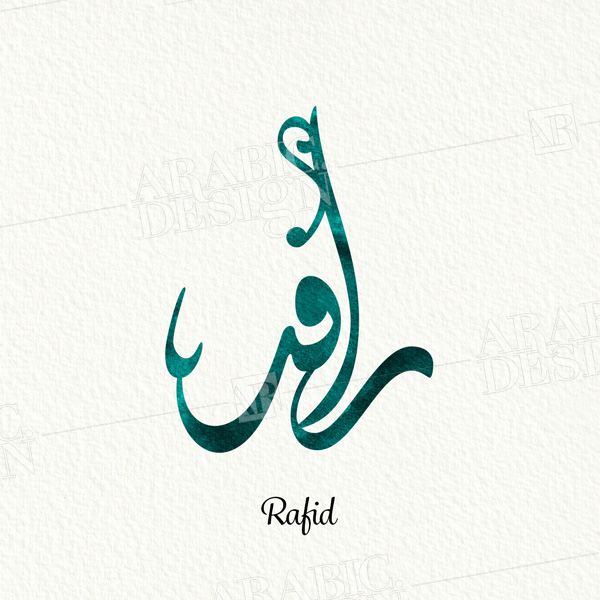
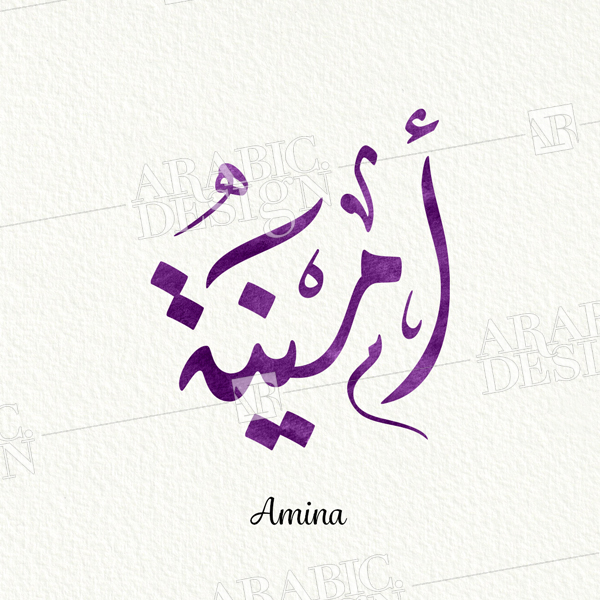
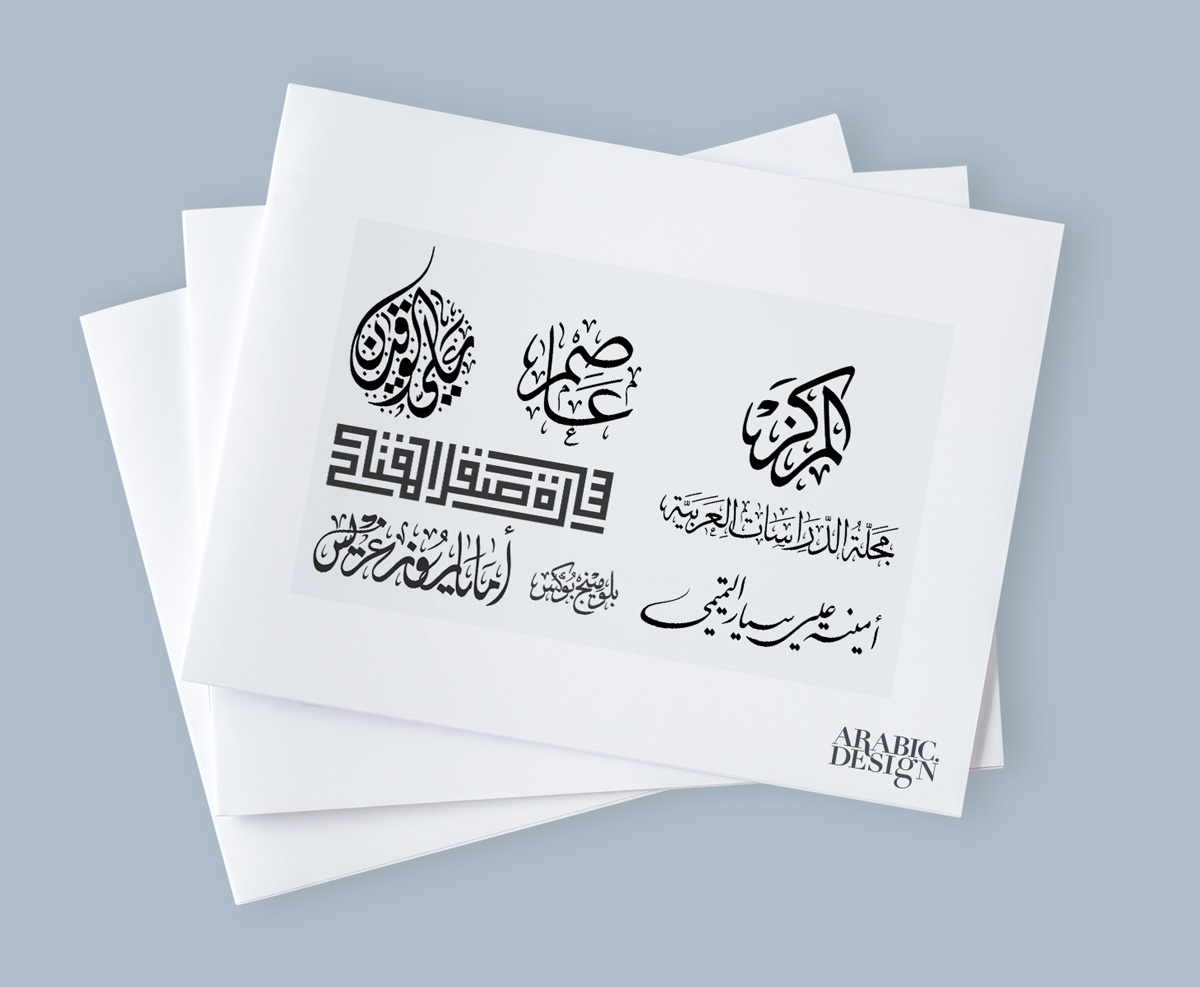
The examples below show how Arabic lettering can move between fluid lines, compact structures, traditional scripts, and contemporary compositions.

How to Prepare an Arabic Calligraphy Brief

Before commissioning Arabic calligraphy writing, prepare:

  • The exact Arabic wording with approved spelling and diacritics.
  • An English translation or transliteration to confirm meaning and pronunciation.
  • The intended use, dimensions, and smallest reproduction size.
  • Relevant cultural, historical, or brand context.
  • Preferred mood or script direction, if known.
  • Required delivery date and practical file requirements.

These details reduce avoidable revisions and help determine whether a classical script, custom lettering approach, or more structured composition is appropriate.

Considering a Commissioned Project?

Arabic.Design is a separate publishing and digital-products platform. Custom calligraphy enquiries are handled independently by Nihad Taisir Studio. Review the studio portfolio and project context before starting an enquiry.

View the Portfolio and Project Details